Explore the Future of Ancestral Storytelling
When I first stumbled upon the concept of Genealogy 2.0, I knew I had discovered something revolutionary for family historians. The idea of leveraging artificial intelligence to enhance our ancestral research and storytelling was too exciting to ignore. That’s when I reached out to Claude, an AI assistant, to help me explore this new frontier in genealogy.
Our collaboration began with a deep dive into the Genealogy 2.0 resource. Together, we explored how AI could transform the way we approach family history research, data organisation, and narrative creation.
My goal was to create an engaging story about an ancestor in a long-forgotten branch of my maternal family tree. I used my six P Framework to plot the journey, from purpose to play.
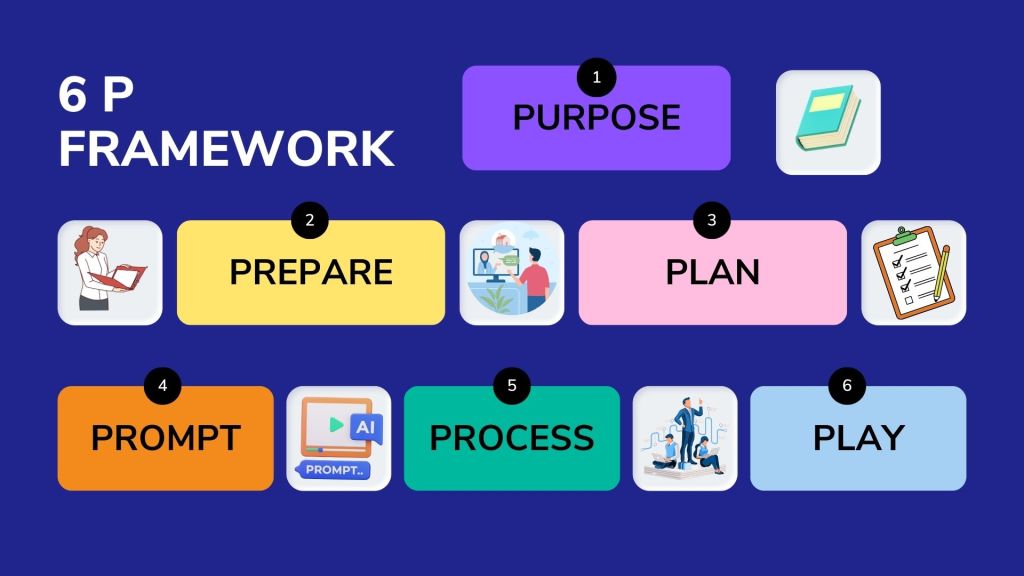
- Purpose: Set goals for AI-Assisted Genealogy to:
- Focus Your Efforts
- Maximise Efficiency
- Measure Progress
- Adapt and Improve
- Prepare: Locate and gather items such as:
- Documents from your archives, such as census and probate reports
- Stories, newspaper articles, and photographs
- Family history data such as birth, baptism, marriage, death, and burial records.
- Plan: Determine the type of story you wish to develop, such as:
- Ancestral Profile
- Ancestral Biography
- Generational Saga
- Historical Story
- Prompt: Define the type of prompts you plan to use, such as:
- Enhancing Research and Data organisation
- Generating Ideas and Overcoming Writer’s Block
- Enhancing Narrative Structure
- Improving Language and Style
- Personalising Stories
- Visual Storytelling
- Editing and Proofreading
- Process: Determine the sequential steps to follow, such as:
- Create a ‘Project’ in Claude 3.5 Sonnet or a GPT for writing
- Upload documents required (within the GPT knowledge base or Claude project)
- Start new conversations for each story
- Input a series of carefully engineered prompts
- Copy and store the AI responses
- Play: Explore and experiment to:
- Unleash Creativity
- Reduce Pressure
- Facilitate Learning
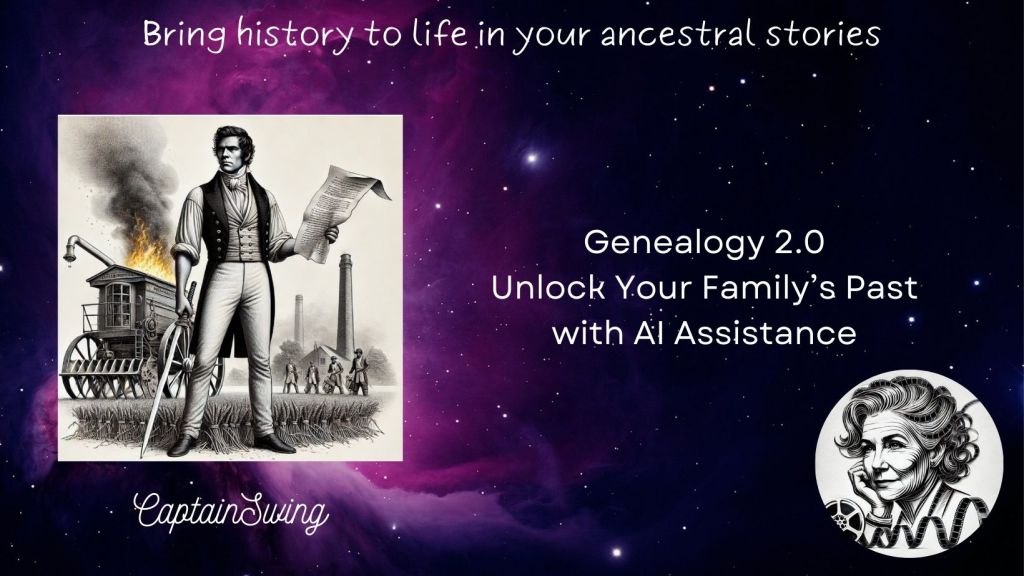
Genealogy 2.0: Unlocking Your Family’s Past with AI Assistance
Once I had my plan, I invited Claude 3.5 Sonnet to assist in the process. I also had the sample prompts for the process clearly outlined.
Here I used the Digital Download called:
Genealogy 2.0: Unlocking Your Family’s Past with AI Assistance
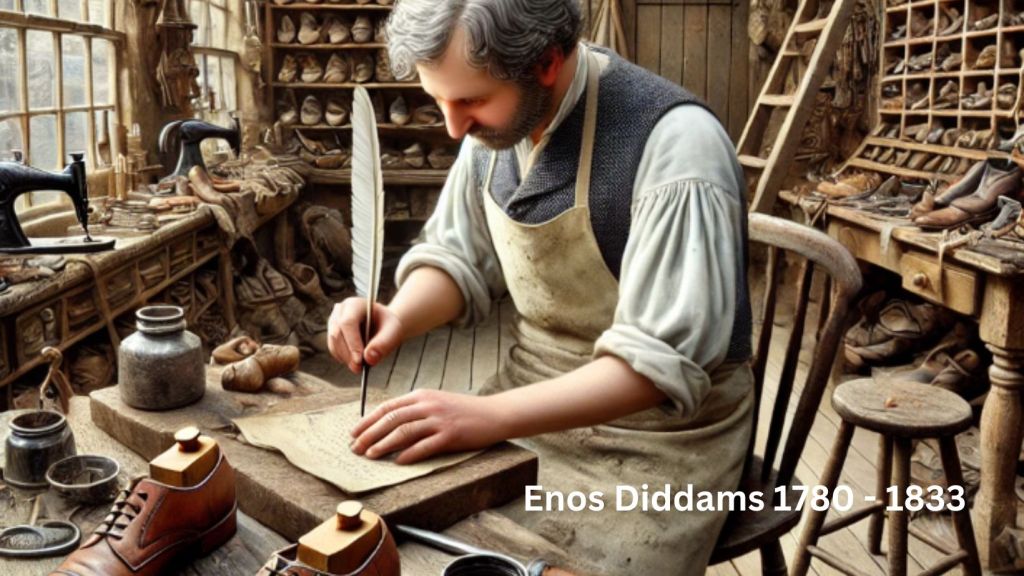
I also used Dall-E 3 and Canva to generate images that I could use to illustrate my story.
Emerging Impact: Five Key Areas
As we worked, five key areas emerged where AI could make a significant impact!
- Crafting Compelling Story Outlines
[“Claude Creates 1: AI-Assisted Story Outline”]
One of the most challenging aspects of family history writing is structuring your narrative. In this video, we demonstrate how AI can help create engaging story outlines, providing a solid foundation for your ancestral tales.
- Enhancing Narrative Quality
[ “Claude Creates 2: Enhancing Narrative”]
Once you have your outline, it’s time to flesh out the details. Here, we explore how AI can help improve your narrative, adding depth and colour to your family stories.
- Adding Intrigue and Suspense
[“Claude Creates 3: Intrigue and Suspense”]
Family histories don’t have to be dry recitations of facts. In this video, we delve into techniques for using AI to add elements of intrigue and suspense, making your ancestral stories truly captivating.
- Adapting Stories for Different Audiences
[“Claude Creates 4: Revised narrative for young readers”]
One story doesn’t fit all. We discuss how AI can help tailor your family narratives for different audiences, with a special focus on adapting stories for younger readers.
- Crafting Engaging Prefaces
[“Claude Creates 5: Write a letter as a preface”]
First impressions matter. In our final video, we explore how AI can assist in writing compelling prefaces or introductory letters for your family history books, setting the stage for the stories to come.
Reflections on my journey with Genealogy 2.0
Throughout our collaboration, I was consistently impressed by Claude’s ability to generate creative ideas and provide insightful analysis of the Genealogy 2.0 concept. However, what struck me most was the balance we achieved between leveraging AI’s capabilities and maintaining the human touch that makes family history so special.
As we worked together, we were careful to view AI as a tool to enhance, not replace, the passion and personal connection that genealogists bring to their research. We discovered that the real power of Genealogy 2.0 lies in its ability to free up time for deeper analysis, more creative storytelling, and ultimately, a richer understanding of our ancestral past.
Our journey with Genealogy 2.0 has only just begun, and I’m excited to continue exploring its potential. I invite you to watch our video series, try out some of the techniques we discuss, and join us in shaping the future of family history research.
Remember, while AI can be an incredible tool, it’s our human curiosity, empathy, and dedication that truly bring our ancestors’ stories to life. Let’s embrace this new technology as a means to dig deeper, tell richer stories, and connect more meaningfully with our family history.
What are your thoughts on Genealogy 2.0?
Have you tried using AI in your genealogical research or storytelling?
Share your experiences in the comments below!
Pick up your free copy of the Genealogy 2.0 Digital Download here!
Enrol in the new course AI Assisted Storytelling at the Essential Genealogy Academy. This on-demand course is packed full of advice, guidelines, video tutorials, and resources to help you gain mastery of the art of AI-assisted Ancestral Storytelling.