Dear friends,
On AI, Change, and Thinking Well
There are moments in our professional lives when we sense that something is shifting — not dramatically, not loudly — but steadily and unmistakably.
February and March have felt like that.
Yes, we have been immersed in the AI Bootcamp. There have been lessons, experiments, thoughtful questions in the Facebook group, and generous sharing of breakthroughs and frustrations.
But alongside that, the tools themselves have been evolving.
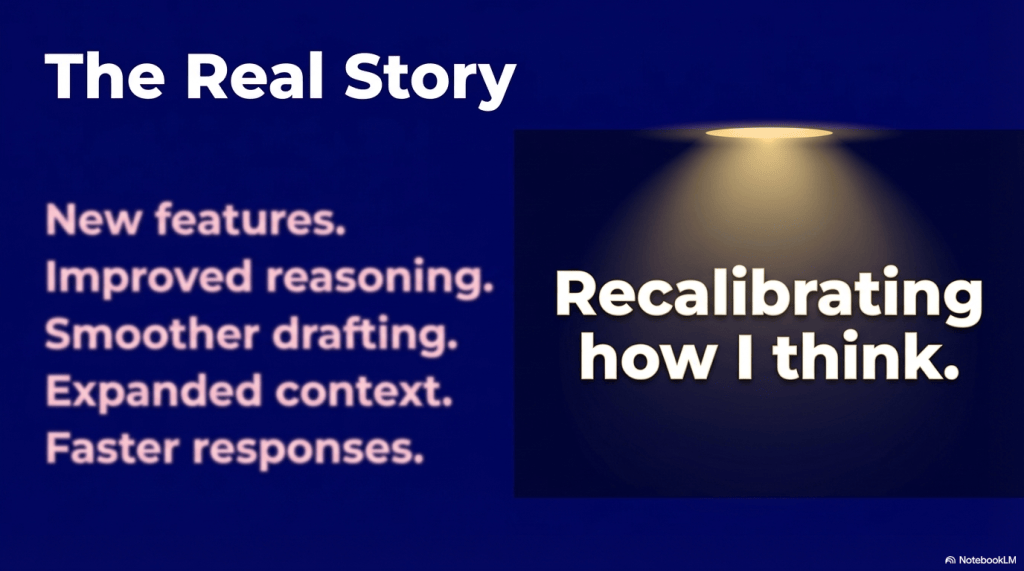
New features.
Improved reasoning.
Smoother drafting.
Expanded context.
Faster responses.
And somewhere between teaching, testing, and quietly reflecting, I realised something important.
This season has not simply been about learning new capabilities.
It has been about recalibrating how I think.
The Tools Are Changing — But That Isn’t the Real Story
On the surface, we could describe the past two months as a series of upgrades.
Better outputs.
More structured responses.
Greater flexibility.
But the deeper story is this:
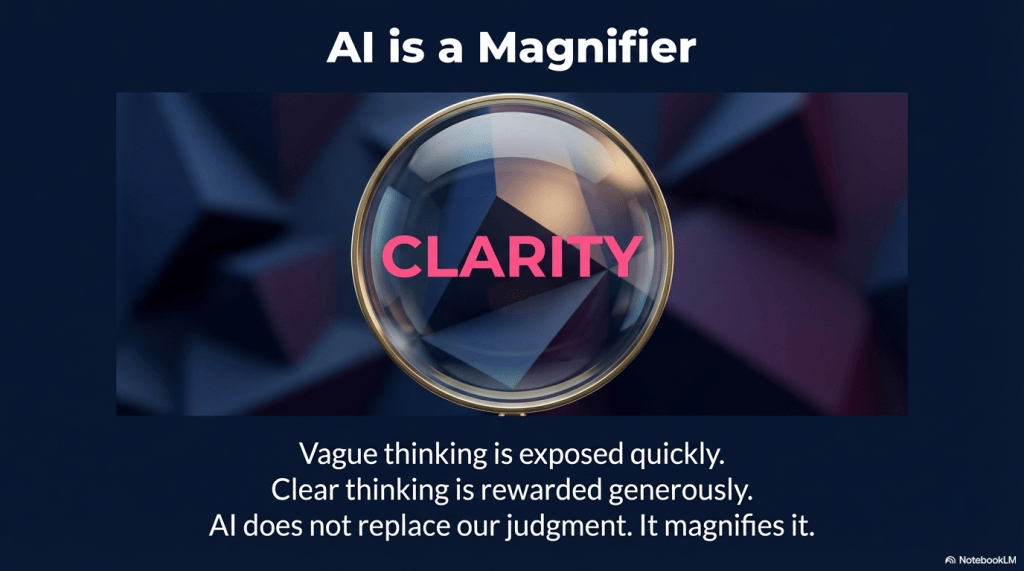
As the tools improve, vague thinking is exposed more quickly.
Clear thinking is rewarded more generously.
AI is not replacing our judgment.
It is magnifying it.
And that requires maturity.
From Curiosity to Discernment
In February, much of my exploration was driven by curiosity.
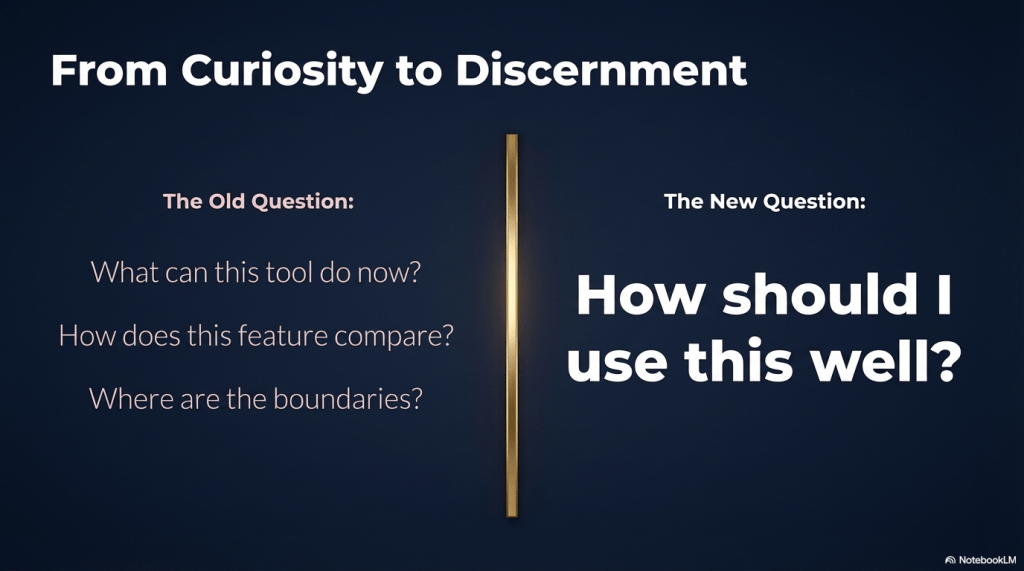
What can this tool do now?
How does this feature compare?
Where are the boundaries?
Curiosity is important. It keeps us open.
But by March — particularly through the conversations within the Bootcamp — I noticed the question changing.
Not:
“What can this do?”
But:
“How should I use this well?”
That shift — from fascination to discernment — feels significant.
As genealogists, we do not simply gather records because they exist.
We evaluate them.
We interpret them.
We integrate them responsibly.
AI deserves the same careful posture.
The Social Media discussions become a mirror.
Questions, comments and shared insights on my main social media platforms (Facebook and Substack) were not just conversations and opportunities for sharing.
The social commentary has been a mirror.
Through your questions, I have observed:
- Hesitation when objectives were unclear
- Confidence rising when structure was defined
- Relief when iteration was normalised
- Delight when complex ideas became clearer through collaboration with AI
One insight has stayed with me.
When we focus on outcome, format, and role — rather than features — everything becomes steadier.
That lesson applies far beyond AI.
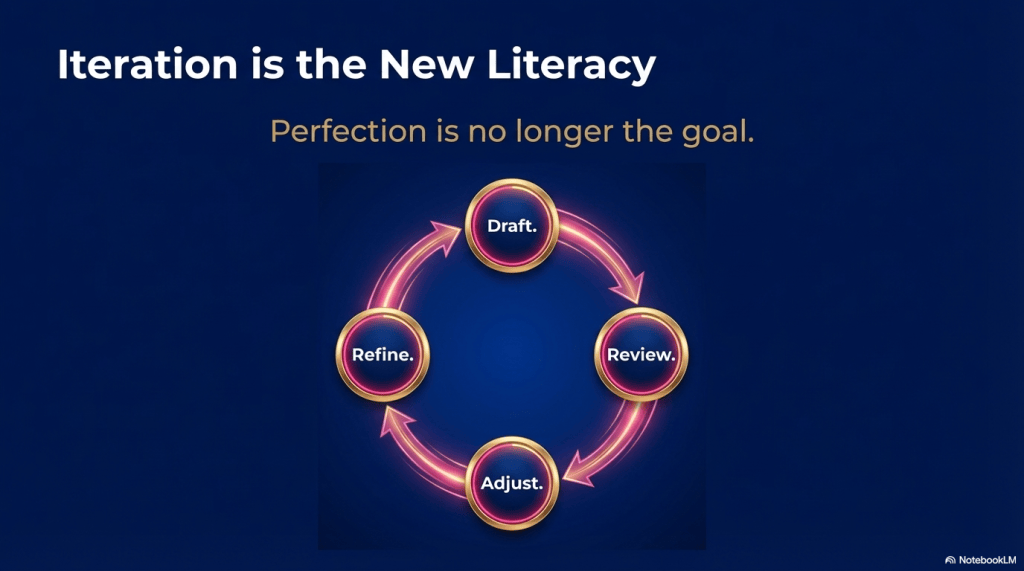
Iteration Is the New Literacy
The pace of tool updates over these two months has reinforced something I now consider essential.
Perfection is no longer the goal.
Iteration is.
We draft.
We review.
We adjust.
We refine.
This is not a flaw in the system.
It is the methodology.
And for family historians who already live inside cycles of revision, re-evaluation, and refinement, this should feel familiar.
AI simply accelerates what we already know how to do.
The Emotional Undercurrent
Let me also acknowledge something we do not always say aloud. Keeping up with evolving AI tools can feel unsettling.
Excitement and overwhelm can sit side by side. Confidence and doubt can coexist.
I have felt that myself.
The solution is not to chase every feature. It is to strengthen steady thinking.
Tools will continue to evolve. Our responsibility is to remain thoughtful.
The Central Realisation
After these two months of teaching, testing, updating, and reflecting, my clearest insight is this:
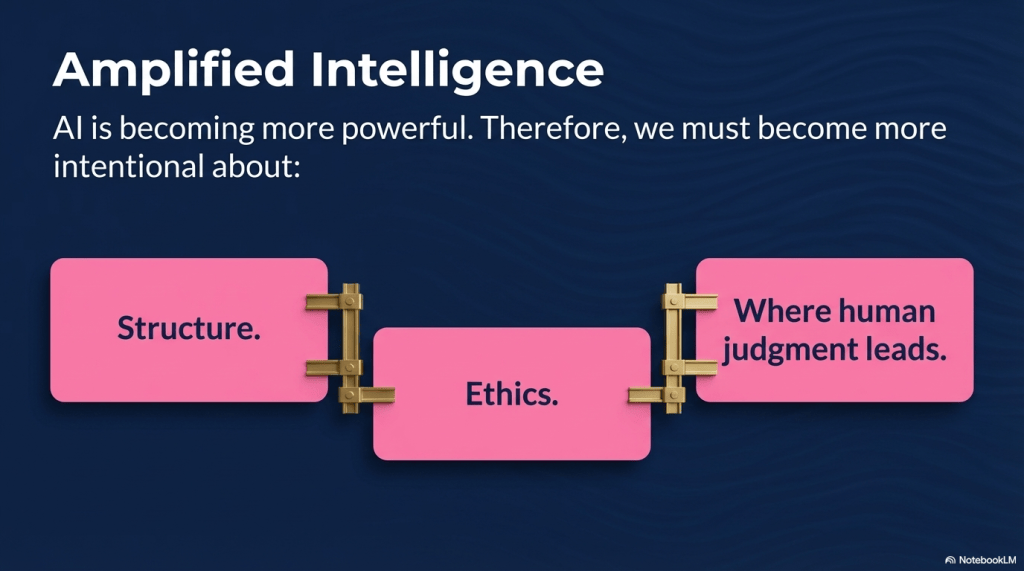
AI is becoming more powerful.
Therefore, we must become more intentional.
More intentional about structure.
More intentional about ethics.
More intentional about workflow.
More intentional about where human judgment must lead.
This is not about artificial intelligence replacing us.
It is about amplified intelligence, requiring us to think well.
Looking Ahead
As we move forward, my focus will include showcasing features but much more on strengthening frameworks.
Less on speed. More on discernment.
Less on novelty. More on integration.
Because the real work is not keeping up with tools. It is cultivating wise practice.
If I were to summarise February and March in a single sentence, it would be this:
The tools evolved — and my thinking had to evolve with them.
And perhaps that is the quiet work of this season.
If You’d Like to Read Further
Over the past two months, I have explored many of these themes in more depth on Substack — particularly around evolving AI features, structured thinking, ethical integration, and what thoughtful experimentation looks like in real research practice.
If this letter resonates with you, you may enjoy those companion reflections. They expand on:
- Designing better workflows as tools evolve
- Moving from fascination to discernment
- Iteration as a discipline, not a weakness
- Preserving genealogical integrity in an AI-enhanced world
You can explore those posts here:
- The AI Artisan Storyteller Model
- Archival Alchemy
- AI Helps with Family History Blogging
- From Archive to Art
Each one continues the same conversation — how we remain wise, careful, and creative family historians while embracing intelligent tools.
With appreciation for your curiosity and courage,
Coach Carole
P.S. I would genuinely love to hear your reflection.
What have the past two months of AI exploration taught you?
Your insights strengthen this community more than any feature ever could.
For more collaboration, connection and communication, come and join us at our Facebook community at Ancestry in the Age of AI, and for more of my AI-assisted stories, visit and subscribe to my Essential Genealogy Substack.


2 responses to “A Letter from Coach Carole:”
I have only recently started using Ai – initially it was somewhat overwhelming, with so many different tools. However, using some of your suggested prompts in your Bootcamp series I have now made some real progress in getting assistance on a complex will from 1841 and a series of letters that formed a petition for leniency in a case of embezzlement tried at the Old Bailey in 1843. Rather than trying to use multiple tools, I’ve just used Gemini for these 2 tasks and with some iteration (e.g. correcting transcription errors on personal names, and adding additional documents that link to the criminal case) and follow up research, these have proved to be extremely useful.
What has been most useful has been the explanations of some of the legal processes involved and suggestions for directions to explore for further research. I now have a framework for writing up these 2 stories and will try using some of the other tools you have been discussing to help me in this next stage.
My primary lesson from this experiment is to concentrate on one task at a time and not be afraid of correcting the AI tool and adding additional relevant documents or information to flesh out a problem/task
LikeLike
I am so pleased that you have found my posts useful. Your own preferred workflow and framework are now guiding your next steps. This is exactly how I learned to build my AI workflow. Its the unexpected insights that really give our genealogy case studies a massive injection of historical flavour.
LikeLike