The Promise and Perils of AI in Genealogy
By Coach Carole, Essential Genealogist
The world of genealogy has experienced a transformative shift with the advent of artificial intelligence (AI). For both professional researchers and amateur enthusiasts, AI has enabled us to unlock new avenues in tracing lineage, deciphering historical records, and connecting with ancestral roots. However, integrating AI into genealogical research isn’t without its hurdles. With help from my AI Squad at Abacus.ai, let us investigate the common challenges faced when selecting, prompting, and implementing AI models, and explore how to navigate them effectively.
Abacus.ai
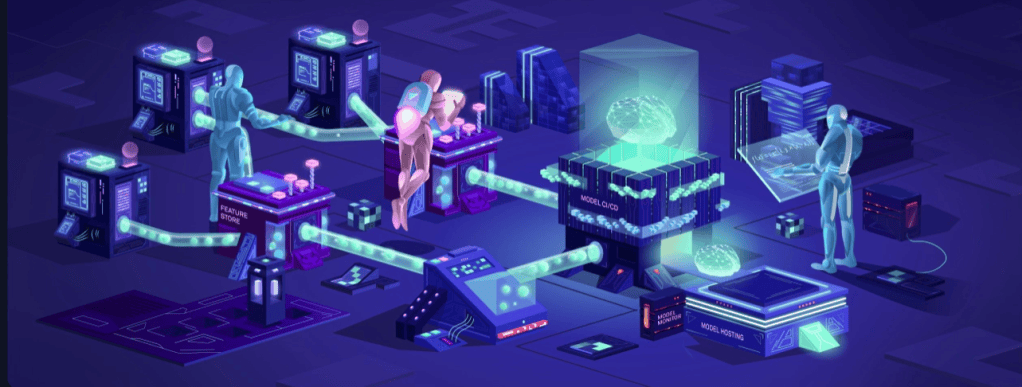
AI technologies offer tools that can sift through vast amounts of data, recognise patterns, and translate documents faster than ever before. Yet, many genealogists find themselves at a crossroads, grappling with technical complexities and ethical considerations.
Challenge 1: Selecting the Right AI Tools
My Approach
I’ve invested considerable time in learning about a variety of AI tools. By giving myself the freedom to practice with them for several hours, I’ve been able to determine which ones are best suited for my genealogy projects. This hands-on experimentation has been invaluable in making informed choices tailored to my specific research needs.
Case Study: Maria’s Quest Through Spanish Archives
Maria, an amateur genealogist from Argentina, sought to trace her family roots back to Spain. She was overwhelmed by the multitude of AI tools claiming to assist in genealogical research.
- Lack of Technical Expertise: Maria struggled to understand which AI models could handle Spanish historical documents.
- Overwhelming Options: The sheer number of available tools made the selection process daunting.
- Data Privacy Concerns: She was hesitant to input personal family data into unknown platforms.
Solution: Maria benefited from a guided approach to AI tools tailored for genealogy. By learning about user-friendly platforms designed for multilingual support and with robust privacy policies, she confidently selected a tool that respected her needs.
Challenge 2: Crafting Effective Prompts
My Approach
I’ve immersed myself in the teachings of thought leaders on the art of engineered prompting, chain-of-thought prompting, and the essential elements of an effective prompt. Over time, I’ve learned the profound impact a well-worded prompt can have on the quality of AI responses. By fine-tuning my prompting process, I ensure that the responses I receive align perfectly with my genealogy project needs.
Case Study: John’s Scandinavian Data Dilemma
John, a professional genealogist in Norway, faced difficulties when prompting AI to interpret old Norwegian dialects in parish records.
- Ineffective Prompts: His initial queries yielded irrelevant results due to ambiguous language.
- Understanding AI Limitations: John assumed the AI could seamlessly interpret archaic terms without additional context.
Solution: By refining his prompting techniques and providing specific contextual information, John improved the AI’s output. Learning to “speak the AI’s language” made a significant difference in the quality of responses.
Challenge 3: Implementing and Verifying AI Responses
My Approach
After the initial delight at the speed and detail of responses from my AI tools, I learned the importance of verifying the information. I began checking facts and comparing them with what I knew to be true in my own ancestry. To validate historical contexts, I employ specific AI tools. My favourite is Perplexity.ai because it provides detailed answers to my questions and includes citations, web links, and imagery alongside the text, enhancing the reliability of the information.
Case Study: Aisha’s African Ancestry Exploration
Aisha, tracing her lineage across multiple African regions, found that AI outputs often lacked accuracy.
- Assessing Reliability: The AI provided information that didn’t align with known family narratives.
- Lack of Source Citation: It was challenging to verify the origins of the AI’s information.
Solution: Aisha learned to cross-reference AI-generated data with traditional sources. She adopted strategies for critical analysis of AI outputs and sought tools that offered transparency in their data sources.
Challenge 4: Bridging Language and Cultural Barriers
My Approach
When using AI tools to transcribe old handwritten documents, I’ve found that certain records, like old English court reports, are difficult for some tools to read accurately. Recognising this, I’m now more selective in my choice of AI tools for such tasks, often turning to Transkribus for better results. Additionally, I’ve discovered that training the AI model with a knowledge base of specific records can help refine transcriptions, improving accuracy even with challenging documents like old census records.
Case Study: Hiroshi’s Journey into Japanese Archives
Hiroshi, working on his family history in Japan, found that AI tools struggled with kanji characters and historical Japanese scripts.
- Language Limitations: Modern AI models didn’t accurately interpret older script forms.
- Cultural Nuances: The AI failed to grasp context-specific traditions reflected in the records.
Solution: Hiroshi identified specialized AI platforms trained on historical Japanese datasets. Incorporating these tools, along with his cultural knowledge, allowed for more accurate interpretations.
Challenge 5: Ethical and Legal Considerations
My Approach
Initially, I had concerns about uploading sensitive private records to AI platforms. My worries were alleviated when I learned how to use the privacy options offered by the models to keep the information private. By understanding and utilising these features, I can confidently use AI tools without compromising the confidentiality of personal data.
Case Study: Svetlana’s Data Privacy Predicament
Svetlana, a genealogist in Russia, was concerned about the ethical implications of using AI with sensitive family data.
- Data Protection Regulations: She needed to comply with local laws regarding personal data.
- Ethical Use: There were concerns about how AI platforms might use or store submitted information.
Solution: Svetlana educated herself on data privacy laws and chose AI services that were transparent about their compliance with regulations like GDPR. She prioritised tools that offered strong data encryption and user control over personal data.
Overcoming the Challenges: A Path Forward
Navigating these challenges requires a combination of education, practical strategies, and staying abreast of technological advancements. Here are some steps to empower genealogists:
- Educate Yourself on AI Fundamentals: Understanding the basics of how AI works in genealogy will demystify many of the complexities.
- Develop Effective Prompting Skills: Learning how to craft precise and context-rich prompts can dramatically improve AI responses.
- Implement Verification Practices: Always cross-reference AI-generated data with traditional sources to ensure accuracy.
- Stay Informed on Ethical Standards: Keep up-to-date with data privacy laws and ethical best practices in AI usage.
- Embrace Continuous Learning: Technology evolves rapidly; ongoing education is key to leveraging AI effectively.
Introducing “AI Guide to Genealogy 2.0”: Your Comprehensive Resource
To address these challenges and more, we are excited to announce the upcoming “AI Guide to Genealogy 2.0” launch this November.
What You’ll Gain:
- In-depth Tutorials: Step-by-step guidance on selecting and using AI tools suited for genealogical research.
- Effective Prompting Techniques: Learn how to communicate with AI models for optimal results.
- Ethical Frameworks: Understand how to responsibly handle personal and familial data.
- Practical Case Studies: Explore real-world examples and hands-on exercises.
- Global Perspectives: The course includes international contexts, catering to genealogists working with records from around the world.
Why Enrol?
- Expert Instruction: Gain insights from seasoned genealogists experienced in AI integration.
- Community Support: Join a network of fellow researchers to share experiences and solutions.
- Stay Ahead of the Curve: Equip yourself with cutting-edge skills that set you apart in the field.
Embrace the future of genealogy with confidence.
Enrol in “AI Guide to Genealogy 2.0” this November and take the next step in your ancestral journey.
Stay Updated
Interested in learning more? Sign up here to receive updates about the course launch, early bird discounts, and exclusive content.
Get the inside story
Embracing the AI Opportunity in Genealogy
Discover the potential of AI for your genealogy! Discover the process for building your Essential AI skills! Remove the barriers to embracing Genealogy 2.0. Sign up for this FREE webinar here.
Author Bio: Coach Carole is a professional genealogist with over 30 years of experience. Coach Carole has helped countless individuals uncover their family histories and is passionate about blending traditional research methods with modern technology.

