Unveiling the Mystical Bond Between Welsh and Tibetan Cultures
Introduction
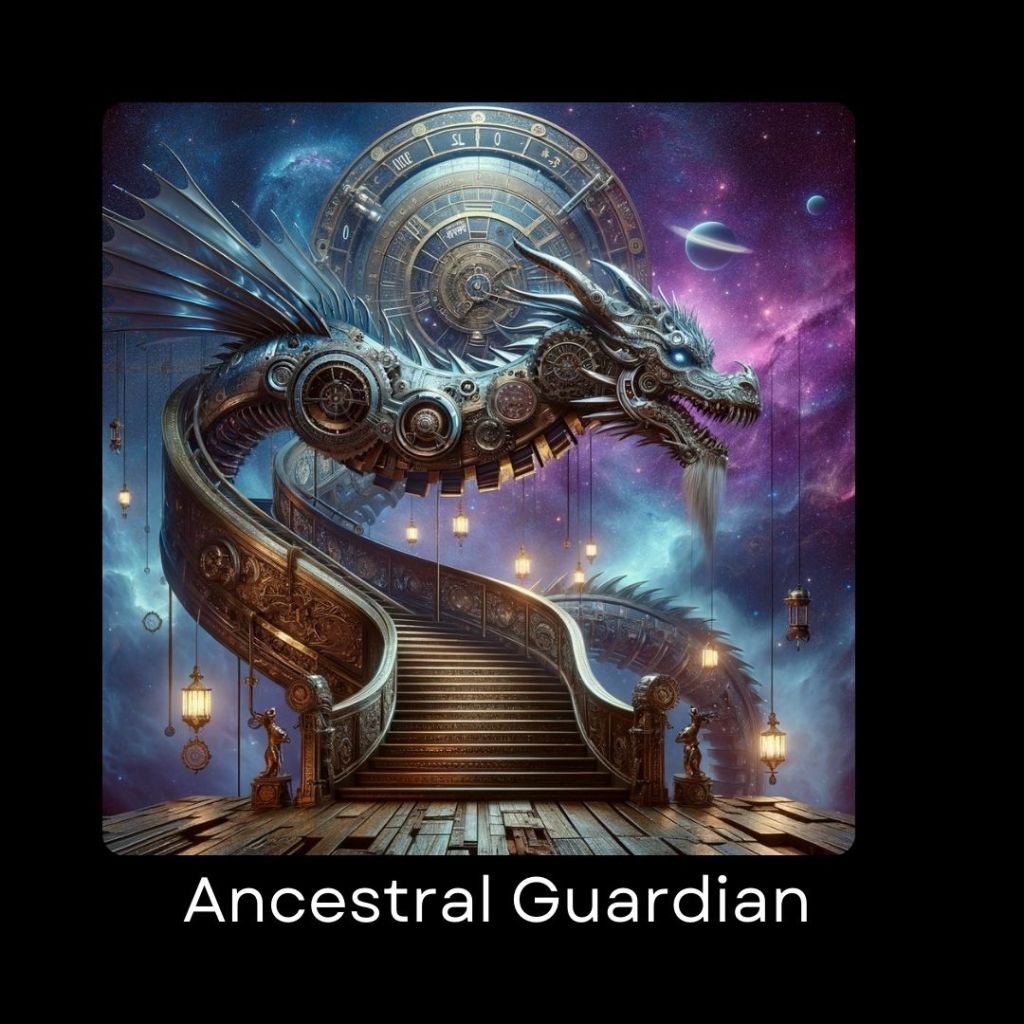
In the rich tapestry of world mythology, dragons emerge as powerful symbols, embodying the essence of strength, wisdom, and cultural identity. This blog post delves into the fascinating narratives of dragons within Welsh and Tibetan traditions, exploring their profound significance and the captivating tale of the battle between the white and red dragons in Wales. We journey further east to understand the pivotal role of consulting the Nechung Oracle during Losar in Tibet, seeking to uncover the universal threads of lineage and heritage that bind us all.
The Dragons of Welsh Lore
The legend of the dragons in Welsh culture is a story steeped in ancient mysticism and prophecy. Central to this narrative is the epic battle between a red dragon (Ddraig Goch) and a white dragon. The red dragon symbolises the people of Wales, while the white dragon represents their enemies. This mythological conflict is not only a tale of struggle but also foretells the eventual triumph of the Welsh people and their enduring spirit.
The battle between the red and white dragons is one of the most evocative stories in Welsh mythology, symbolising the struggle between the native Britons (Welsh) and the invading Saxons. This tale, steeped in history and legend, is intricately linked to the mythical figure of Merlin and the real historical figure of Vortigern, a 5th-century British king.
The Setting: A Divided Britain
In the aftermath of Roman withdrawal from Britain, the island was left fragmented, with various leaders vying for power amidst the chaos. Vortigern, one of these leaders, sought to fortify his position against internal and external threats. He enlisted the help of Anglo-Saxon mercenaries, among whom were Hengist and Horsa, to defend against the Picts and Scots. However, the Anglo-Saxons soon turned from allies to conquerors, laying the foundation for the legend of the dragons.
The Discovery of the Dragons
Supernatural forces thwarted Vortigern’s attempts to establish a stronghold at Dinas Emrys in North Wales. Each night, the foundations of his castle would crumble mysteriously. Seeking answers, Vortigern consulted his advisors, who told him to find a boy born without a natural father. This boy, later revealed to be Merlin (or Myrddin in Welsh tradition), prophesied that the cause of the disturbance was a battle between a red dragon and a white dragon in a pool beneath the hill.
The Prophecy of Merlin
Merlin explained that the pool must be drained to reveal the dragons. Upon doing so, the dragons emerged and continued their battle. Merlin interpreted the white dragon as symbolising the Saxons and the red dragon as symbolising the people of Vortigern. He prophesied that though the white dragon would initially prevail, the red dragon would eventually triumph, symbolising the eventual success of the Britons over the Saxons.
The Symbolism and Legacy
The red dragon has since become a symbol of Welsh identity and pride, prominently featured on the national flag of Wales. The story encapsulates themes of struggle, resilience, and the enduring power of the Welsh people to overcome adversity.
The Connection to Family History and Genealogy
For family historians and genealogists, the legend of the red and white dragons goes beyond mere myth. It represents the turbulent history of the British Isles, marked by invasions, migrations, and cultural transformations. This legend, like many others, provides insight into the values, struggles, and resilience of our ancestors. It encourages us to delve deeper into our lineage, understanding the historical context that shaped the lives of those who came before us.
In linking this story to the practice of family history research, we are reminded of the universality of lineage and the shared human experience. Myths and legends, like those of the dragons, serve as metaphors for the historical realities faced by our ancestors. They offer a rich tapestry of stories that have been passed down through generations, forming a part of our collective heritage.
The battle between the red and white dragons is more than just a tale from Welsh mythology; it is a narrative that resonates with themes of conflict, identity, and perseverance. For those exploring their family history, it serves as a poignant reminder of the complexities and richness of our past, urging us to uncover the stories that have shaped us.
As we celebrate cultural events like Losar in Tibet and St. David’s Day in Wales, let us remember the dragons—symbols of our shared mythologies and histories, reminding us of our interconnectedness and the diverse tapestries of human experience.
Tibetan Traditions and the Wood Dragon
Moving to the serene heights of Tibet, the Losar festival marks the Tibetan New Year, introducing the year of the Wood Dragon with grand celebrations. Unlike its Western counterparts, the Tibetan dragon is a creature of benevolence, symbolising prosperity, good luck, and change. The consultation of the Nechung Oracle during Losar is a time-honored tradition where spiritual insights guide the community through uncertainties, embodying the dragon’s wisdom and protective qualities.
Connecting Cultures: The Battle of Dragons and Oracle Wisdom
The story of the Welsh dragons resonates with the Tibetan practice of seeking the Nechung Oracle’s guidance, illustrating a universal quest for knowledge and understanding through mystical symbols. Both traditions underscore the significance of dragons as protectors and harbingers of change, reflecting the values and beliefs deeply rooted in each culture.
Inspiration for Family Historians
For family historians and genealogists, these dragon tales offer a rich source of inspiration. They serve as a reminder of the importance of cultural myths and legends in understanding our ancestors’ lives and the values they cherished. By exploring these stories, genealogists can gain insights into the universal aspects of lineage and identity, transcending geographical and temporal boundaries to connect with the past in a meaningful way.
Embracing Our Dragons
The dragons of Welsh and Tibetan lore are much more than mythical creatures; they are emblematic of the strength, resilience, and wisdom that define human cultures across the globe. As we delve into these legends, we uncover the shared human experience, revealing the threads of lineage and heritage that weave together the tapestry of our collective history. For those of us exploring our family roots, these stories offer a gateway into the past, providing a deeper understanding of the cultural forces that shape our identities.
This exploration of dragons across cultures highlights the power of mythology in uncovering the universality of human experience. As we continue to delve into the past as family historians, let us draw inspiration from these ancient symbols, using them as a lens to view our heritage in a new light, rich with the colours of myth, legend, and the enduring human spirit.
—
This post, assisted by AI, aims to bridge the gap between the mystical and the historical, offering a fresh perspective on genealogy by integrating the rich narratives of Welsh and Tibetan dragons.

