Exploring the Future of Genealogy:
The Impact of GPTs on Ancestral Research
In the evolving landscape of genealogical research, the infusion of technology has been a game-changer. Among the most revolutionary advancements are GPTs (Generative Pre-trained Transformers), a type of artificial intelligence that is transforming how we delve into our ancestral past. But what exactly are GPTs, and how do they fit into the world of genealogy? This blog post explores the remarkable role of GPTs in genealogical research, offering a glimpse into a future where technology and history intertwine more seamlessly than ever before.
What are GPTs and How Do They Work in Genealogy?
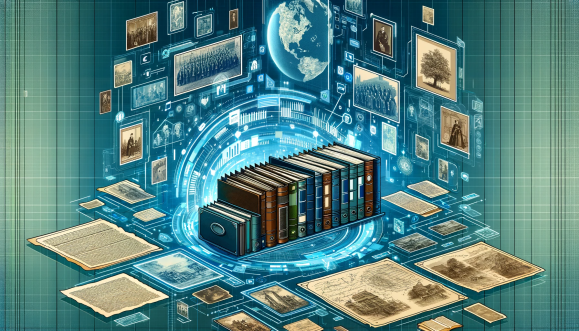
GPTs are sophisticated AI models designed for understanding and generating human-like text. In genealogy, they serve as powerful tools, aiding researchers in sifting through vast amounts of data, identifying patterns, and even suggesting potential ancestral connections. Imagine an AI assistant that can read through old documents, interpret handwriting, and present you with a summarized family history — that’s the potential of GPTs in genealogy.
How GPTs Assist in Genealogical Research and Data Analysis
The application of GPTs in genealogy is multifaceted. They can help organize extensive family trees, analyze DNA results, and even predict potential links between disparate family branches. For instance, a GPT could analyze a historical document and extract vital information about ancestors, such as birth dates, relationships, and places of residence, thereby streamlining the research process.
Benefits of Using GPTs for Genealogists
One of the primary benefits of GPTs in genealogy is their ability to handle large volumes of data efficiently. They can rapidly process and analyse information that would take a human researcher considerably longer. This efficiency not only saves time but also opens new avenues for discovery that might have been overlooked.
Limitations and Considerations When Using GPTs in Genealogy
While GPTs are immensely beneficial, they are not without limitations. Their accuracy is heavily dependent on the data they are trained on. As a result, it’s crucial for genealogists to cross-check the data from GPTs with information from other sources. Additionally, understanding how to effectively communicate with a GPT—using clear and precise prompts—is key to obtaining useful information.
The Future of Genealogy with GPTs
The future of genealogy with GPTs is bright and promising. We are likely to see more advanced applications of AI in genealogical research, from virtual recreations of ancestral villages to AI-generated narratives of our ancestors’ lives. As GPT technology continues to evolve, it will undoubtedly become an indispensable tool for uncovering our past.
GPTs are not just transforming genealogy; they are revolutionising it. By harnessing the power of these AI tools, genealogists and family history enthusiasts can uncover their heritage with greater depth and precision than ever before. As we stand on the brink of this new era in genealogy, the possibilities are as vast as our own histories.
Call to Action
For a deeper dive into the capabilities of GPTs in genealogy, I invite you to view my video, “Shopping for GPTs for Genealogy” This video will give you further insights into how these powerful tools are shaping the future of genealogical research.
What are GPTs and How Do They Work in Genealogy?
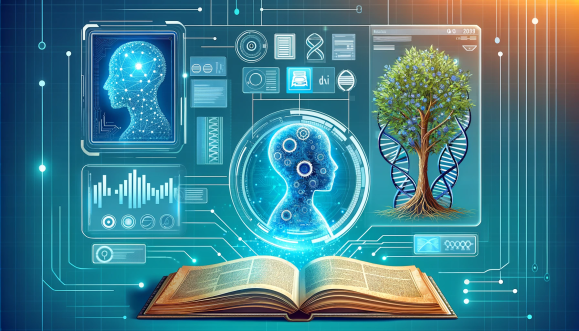
In the world of genealogy, GPTs have opened up new possibilities that were once considered far-fetched. But what exactly are these GPTs, and how do they function within the realm of genealogical research?
Generative Pre-trained Transformers, or GPTs, are advanced artificial intelligence models capable of understanding and generating text that closely resembles human communication. In genealogy, their application is nothing short of revolutionary. By analyzing and interpreting large volumes of data, GPTs can assist genealogists in uncovering patterns and connections in family histories that might otherwise remain hidden.
Imagine a tool that can sift through centuries-old documents, decipher complex handwriting, and present summarized histories of your ancestors. GPTs can do this and more. They can read through archival material, extract crucial genealogical information, and even suggest potential ancestral links based on patterns recognized in the data.
The power of GPTs in genealogy lies in their ability to process information at a speed and scale that is humanly impossible. This capability not only enhances the efficiency of genealogical research but also opens doors to new insights and discoveries in one’s family history.
As we integrate these advanced AI models into genealogical research, we are witnessing a transformative shift in how we explore and understand our ancestral past. GPTs are not just tools for data analysis; they are partners in our journey to unravel the intricate tapestry of our heritage.
How GPTs Assist in Genealogical Research and Data Analysis
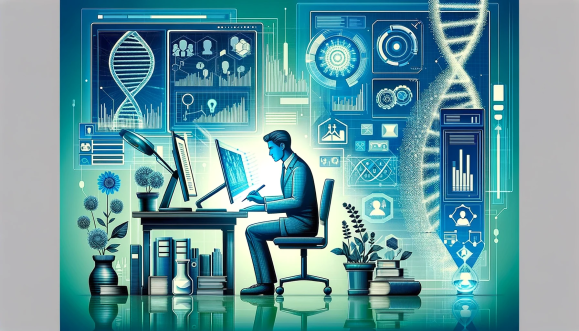
The integration of GPTs in genealogical research marks a significant stride in the field, offering a plethora of tools and methodologies that significantly enhance research capabilities. Here’s how GPTs assist in genealogical research and data analysis.
Organizing Extensive Family Trees
One of the most daunting tasks in genealogy is managing and organizing extensive family trees. GPTs can simplify this process by analyzing and categorizing data, identifying relationships and patterns, and even suggesting missing links in family histories. This capability allows genealogists to visualize their family trees more comprehensively, making it easier to trace lineages and connections.
Analyzing DNA Results
GPTs are instrumental in interpreting complex DNA results. They can compare genetic information against vast databases, helping genealogists understand ethnic backgrounds, find potential relatives, and even solve longstanding family mysteries. This level of analysis, which would be labor-intensive and time-consuming for humans, is made quick and efficient with GPTs.
Predicting Potential Links
GPTs can also predict potential links between disparate family branches by analyzing patterns in the data. This predictive capability is especially useful in cases where traditional records are missing or incomplete. GPTs can suggest hypotheses based on available information, giving genealogists new leads to explore.
Streamlining Research Process
With GPTs, genealogists can automate the process of sifting through historical documents, census records, and other archival materials. GPTs can extract vital information, such as birth dates, marriage records, and migration patterns, streamlining the research process and allowing genealogists to focus on analysis and interpretation.
Enhancing Data Organization and Analysis
GPTs not only help in organizing data but also in analyzing it. They can identify trends, anomalies, and patterns in family histories, providing genealogists with insights that might be difficult to discern manually. This analytical power is invaluable in making sense of complex genealogical information.
In summary, GPTs offer a suite of tools that transform the way genealogical research is conducted. From organizing extensive family trees to analyzing DNA results and predicting potential links, GPTs enhance the research process, making it more efficient and insightful.
Benefits of Using GPTs for Genealogists
The integration of Generative Pre-trained Transformers (GPTs) into genealogy brings a host of benefits, revolutionizing the way genealogists approach their research. Here are some of the key advantages:
Enhanced Efficiency in Research
GPTs significantly speed up the research process. By automating the analysis of vast amounts of data, they save genealogists countless hours that would otherwise be spent manually sifting through records. This efficiency allows for more time to be spent on interpreting findings and piecing together family histories.
Access to a Wealth of Information
GPTs provide genealogists with access to a broader range of data. They can process and analyze various types of documents, from census records to old letters, extracting valuable information that may have been overlooked. This access to a wealth of information leads to more comprehensive and accurate family histories.
Improved Accuracy and Predictive Capabilities
The advanced algorithms of GPTs help ensure greater accuracy in research. They can analyze data for consistency, spot errors, and even predict familial connections based on patterns. This predictive capability is particularly useful in identifying potential relatives and filling gaps in family trees.
Overcoming Language and Handwriting Barriers
GPTs can be trained to read and interpret old documents, deciphering archaic handwriting and translating foreign languages. This ability is invaluable in genealogy, where researchers often encounter documents in various languages and styles of writing.
Personalized and Interactive Research Experience
With GPTs, genealogists can have a more personalized research experience. They can interact with the AI in a conversational manner, asking specific questions and receiving tailored responses. This interactivity adds a new dimension to genealogical research, making it more engaging and user-friendly.
The benefits of using GPTs in genealogy are clear and significant. They not only enhance the efficiency and accuracy of research but also open new avenues for exploration, making the discovery of family histories more accessible and engaging than ever before.
Limitations and Considerations When Using GPTs in Genealogy
While GPTs offer remarkable benefits to genealogists, it’s important to acknowledge their limitations and the considerations one must keep in mind while using them. Understanding these constraints ensures more effective and accurate research.
Data Dependency and Accuracy
GPTs are only as good as the data they are trained on. If the underlying data is incomplete, outdated, or biased, the output from GPTs may be inaccurate or misleading. Genealogists must be vigilant, cross-checking GPT-generated information with other sources for verification.
Understanding Context and Nuance
GPTs, despite their advanced capabilities, sometimes struggle with understanding context and nuance, especially in historical documents. Misinterpretations can occur, particularly with old-fashioned language or uncommon phrases. Genealogists should be aware of these potential misunderstandings and provide clear, detailed prompts to minimize errors.
Not a Substitute for Human Expertise
GPTs are tools designed to assist and enhance genealogical research, not to replace the expertise and critical thinking skills of human genealogists. They should be used as a complement to traditional research methods, adding value through their speed and data-processing capabilities.
Ethical and Privacy Concerns
When using GPTs in genealogy, ethical considerations and privacy concerns are paramount. Sensitive personal data needs to be handled with care, and genealogists must adhere to ethical guidelines, especially when sharing information about living relatives or using data for commercial purposes.
Keeping Up with Technological Advances
The field of AI is rapidly evolving, and staying informed about the latest developments in GPTs is crucial for genealogists. Newer versions may offer improved accuracy and capabilities, but they also come with their own set of challenges and learning curves.
In conclusion, while GPTs are powerful tools that can significantly benefit genealogical research, it is essential to use them with an understanding of their limitations and considerations. By doing so, genealogists can effectively leverage these AI tools to uncover and preserve our rich ancestral heritage.
The Future of Genealogy with GPTs
As we embrace the potential of Generative Pre-trained Transformers (GPTs) in genealogy, we are on the cusp of a new era in the study of family histories. The future of genealogy with GPTs is not just promising; it’s transformative.
Virtual Recreation of Ancestral Villages
One exciting prospect is the virtual recreation of ancestral villages and environments. GPTs, with their ability to process historical data and images, could offer genealogists a virtual tour of the places where their ancestors lived, worked, and thrived.
AI-Generated Ancestral Narratives
GPTs could also be used to generate narratives of our ancestors’ lives. By combining historical facts with AI capabilities, genealogists could create more vivid and engaging stories about their ancestors, making the past come alive in ways previously unimaginable.
Enhanced DNA Analysis and Prediction
Advancements in AI could lead to more sophisticated DNA analysis tools, offering deeper insights into our genetic heritage. GPTs could help predict familial connections with greater accuracy and even suggest potential genetic traits inherited from ancestors.
Collaboration and Community Building
The future of genealogy with GPTs also points towards enhanced collaboration and community building. GPTs can facilitate connections between genealogists worldwide, fostering a global community of enthusiasts and experts sharing knowledge and discoveries.
Educational and Preservation Opportunities
GPTs hold immense potential in education and preservation. They could be used to teach genealogy, offering interactive and personalized learning experiences. Additionally, GPTs can aid in the preservation of family histories, ensuring that these precious narratives are passed down through generations.
In conclusion, the integration of GPTs in genealogy is not just an enhancement of existing methods; it’s a paradigm shift. As these technologies continue to evolve, they will redefine how we connect with our past, opening new pathways to explore and preserve our familial legacies.


3 responses to “Exploring the Future of Genealogy”
Other than the AI that helps with indexing censuses etc, I want nothing to do with the rest. I’ll do my own writing etc., thanks. To each their own.
LikeLike
As you say, Teresa, to each their own. I will keep delving into the potential of AI and sharing my learning. I find it fascinating and envigorating.
LikeLike
[…] Exploring the Future of Genealogy by Coach Carole on Essential Genealogist […]
LikeLike