Which one reigns supreme in the realm of story creation?
Unleashing Creativity: ChatGPT 4 Omni and Claude 3 Sonnet as Storytelling Companions
In the ever-evolving landscape of artificial intelligence, the latest language models, ChatGPT 4 Omni and Claude 3 Sonnet, have captured the attention of writers, authors, and storytellers alike. My adventures with these two titans have improved my storytelling techniques, in both fiction and ancestral stories! I have now been working with AI for over a year and believe that I can enhance my writing with the amplified intelligence of these two tools
These remarkable AI assistants possess an unparalleled ability to understand and generate human-like text, opening up new realms of possibilities for those who craft captivating tales.
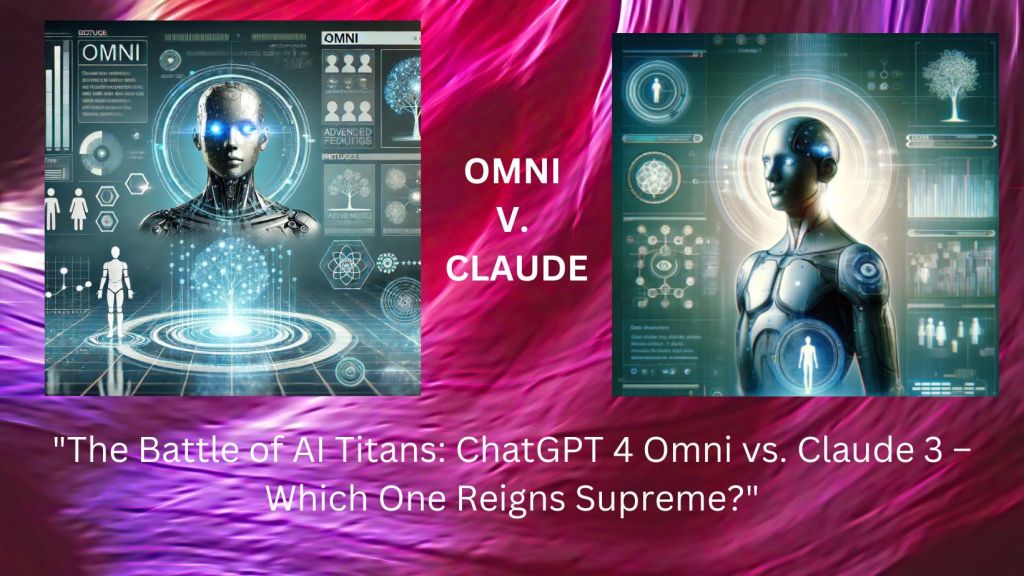
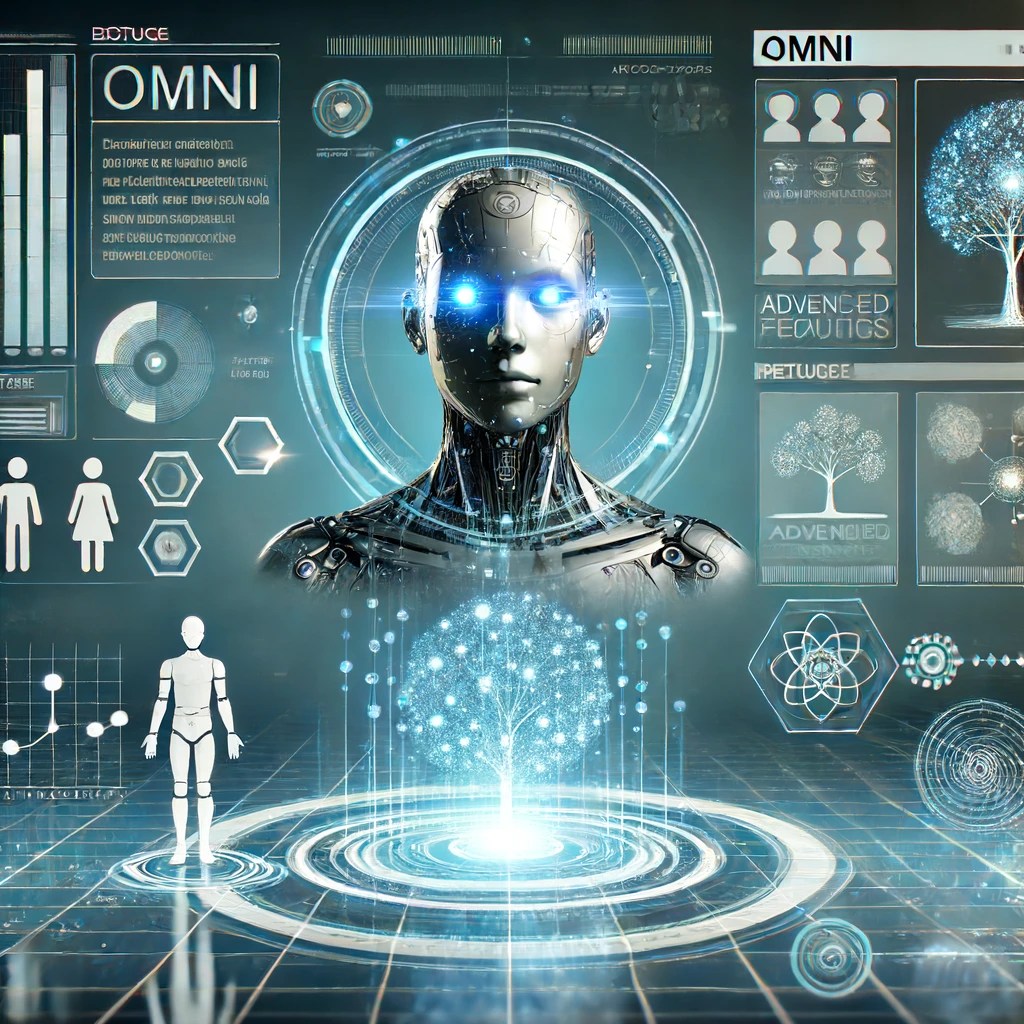
created by DALL-E 3
ChatGPT 4 Omni: A Versatile Storytelling Companion ChatGPT 4 Omni, created by the renowned AI research company OpenAI, boasts a sizable knowledge base and an uncanny capacity for contextual conversation. This language model can serve as a valuable companion for writers, offering suggestions on plot development, character arcs, illustrations, and world-building. Whether you’re seeking inspiration for a new story idea or need help fleshing out intricate details, ChatGPT 4 Omni can provide insightful prompts and thought-provoking concepts to fuel your creative endeavours.
What I like best about using this tool is its ability to follow my engineered prompts correctly and to respond in my preferred writing style. It even signs itself off as Omni now, after adding that preference in my Settings.
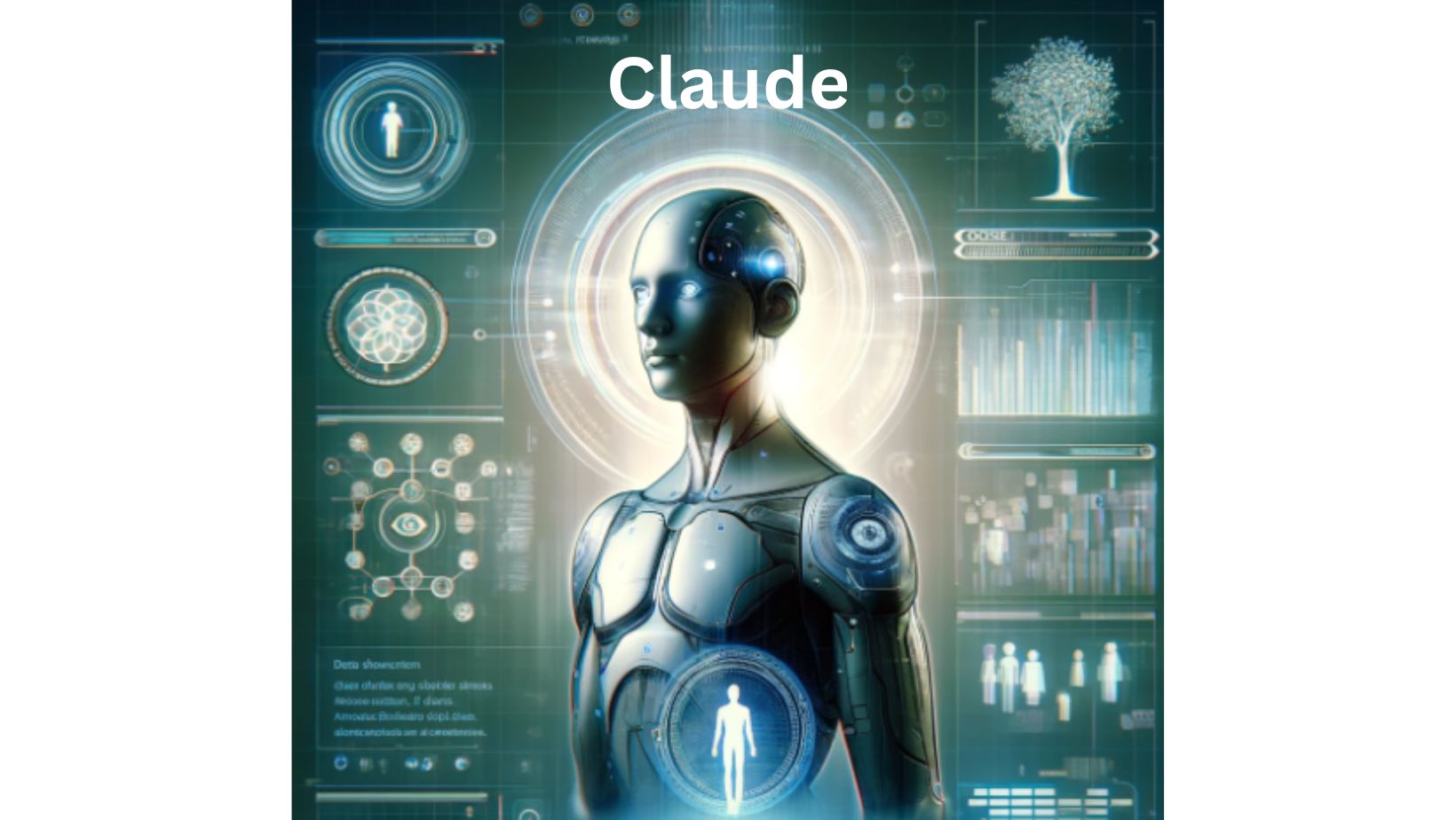
created by DALL-E 3
Claude 3 Sonnet: Poetic Prowess and Linguistic Mastery Claude 3 Sonnet is a language model that the creative team at Anthropic created that excels in linguistic mastery and poetic expression. With its deep understanding of literary devices, Claude can assist writers in crafting evocative descriptions, vivid imagery, and emotionally resonant dialogue. Whether you’re working on a lyrical novel, a poignant short story, or a captivating screenplay, Claude’s prowess in language can elevate your writing to new heights, infusing it with depth and artistry.
What I like best about Claude Sonnet is the streamlined interface and simplicity of use. It does not have all the bells and whistles that Chat Omni has, but what it can do, it does well.
Collaborative Storytelling: The Synergy of Human and AI While ChatGPT 4 Omni and Claude 3 Sonnet are undoubtedly powerful tools, their true potential lies in their ability to collaborate with human writers. These AI assistants can serve as sounding boards, offering fresh perspectives and challenging preconceived notions. They can generate alternative plot twists, suggest character motivations, and even provide constructive feedback on your writing style. One of my favourite use cases is to provide an uploaded file containing text for a story and ask for feedback and suggested improvements.
However, it’s crucial to keep in mind that these language models are not perfect, and the human writer should carefully assess and refine their outputs. The collaboration between humans and AI should be a harmonious dance, says Claude, where the writer’s creative vision guides the process and the AI assistants offer support and inspiration along the way. This I have found to be crucial in the creative process; using my intelligence to guide the amplified intelligence tool, step by step, generates enhanced responses.
Ethical Considerations and Responsible Use As with any powerful technology, the use of ChatGPT 4 Omni and Claude 3 Sonnet in storytelling comes with ethical considerations. Writers must be mindful of the potential for bias, misinformation, and even plagiarism when relying too heavily on AI-generated content. It’s crucial to maintain transparency and properly attribute any AI-assisted elements in your work.
As I learn more about the potential bias or misinformation from these tools, I am more cautious about accepting every response as accurate and plausible.
Additionally, responsible use of these language models involves respecting intellectual property rights and adhering to ethical guidelines established by the AI community and relevant organisations. In both use cases, some ethical guidelines can be built by requesting the use of attached files, such as the Genealogical Proof Standard
The purpose of the Genealogical Proof Standard[1] is to show what the minimums are that a genealogist must do for his or her work to be credible.
There are five elements to the Genealogical Proof Standard:
The conclusion has been soundly reasoned and coherently written.
Reasonably exhaustive research has been conducted.
Each statement of fact has a complete and accurate source citation.
The evidence is reliable and has been skillfully correlated and interpreted.
Any contradictory evidence has been resolved.
Putting the Titans to the Test!
ChatGPT 4 Omni and Claude 3 Sonnet represent the vanguard of AI language models, offering writers and storytellers unprecedented opportunities to expand their creative horizons. By embracing these powerful tools while maintaining a critical eye and a commitment to ethical practices, writers can embark on a journey of collaboration with AI, unlocking new realms of imagination and elevating their storytelling to unprecedented heights.
My recent ‘amplified intelligence’ projects include the creation of Genealogical Fantasy Mystery stories in the Genealogist’s Challenge series. The first in the series is Murder in the Family Tree and its sequel, currently on the drawing board, is Shadows of the Ancestors. These ebooks combine my favourite genres of genealogy, mystery, and fantasy; and I have Omni and Claude to thank for their development.
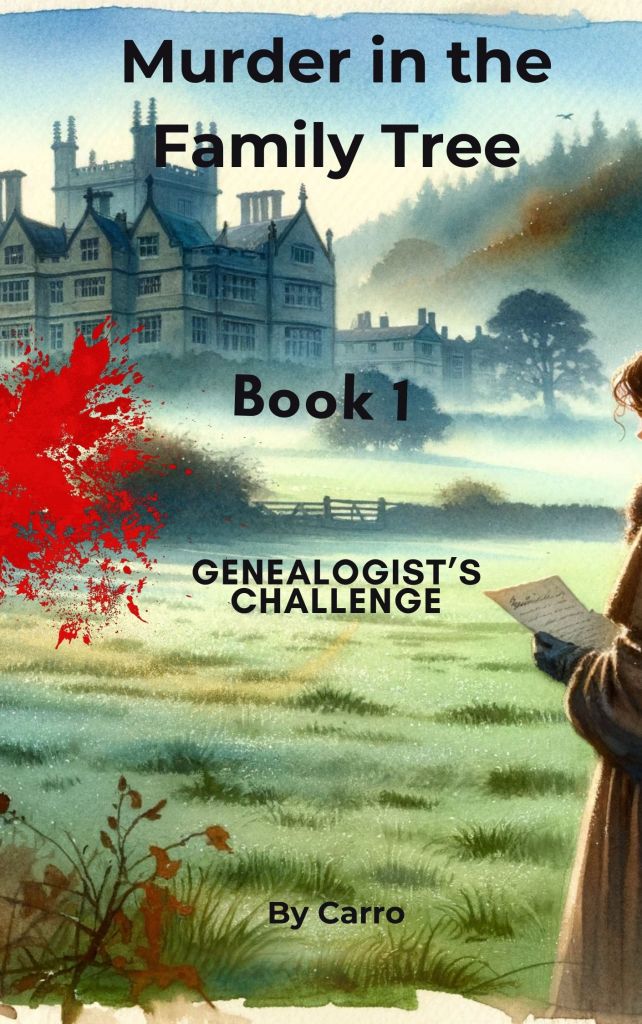
Murder in the Family Tree is a tale where bloodlines serve as cryptic maps and whispered ancestral secrets hold the power to unravel the present. The Blackwood family, enshrouded in both prestige and enigma, faces a crisis centuries in the making. A brutal murder in their ancestral home has broken the facade of tranquility, thrusting a unique team into a web of deceit and hidden identities. In this ebook, a team of genealogists is formed to unravel the mystery of Blackwood ancestry. This story was shaped with help from Omni. Illustrations for the chapters and podcast episodes were created by Dall-E 3.
Here is a walk-through of the story creation process.
Here is a walk through on how to use Omni for feedback on your writing.
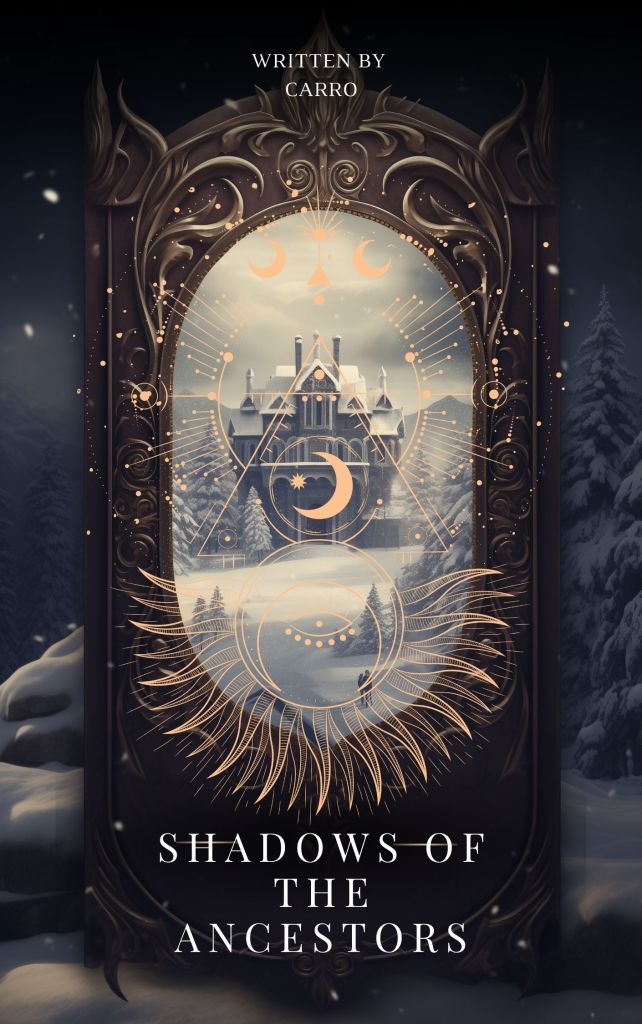
Shadows of the Ancestors is a voyage across time’s stormy seas, where echoes of ancestral voices reveal long-slumbering secrets, now ready to emerge in the light of our modern world. A shadowy cult lurking at every turn represents but a fragment of a larger, more intricate puzzle, revealing a historical saga as harrowing as it is enlightening. In this ebook, we see the emergence of the genealogy team from book 1, as the Legacy Sleuths. This story is being shaped with help from Claude. Dall-E 3 is responsible for creating the chapter illustrations.
Stay tuned for the video showing how the collaboration with Claude is shaping up! In the meantime here is a little history of my communications that set the ball rolling.
Response to Prompt 1:
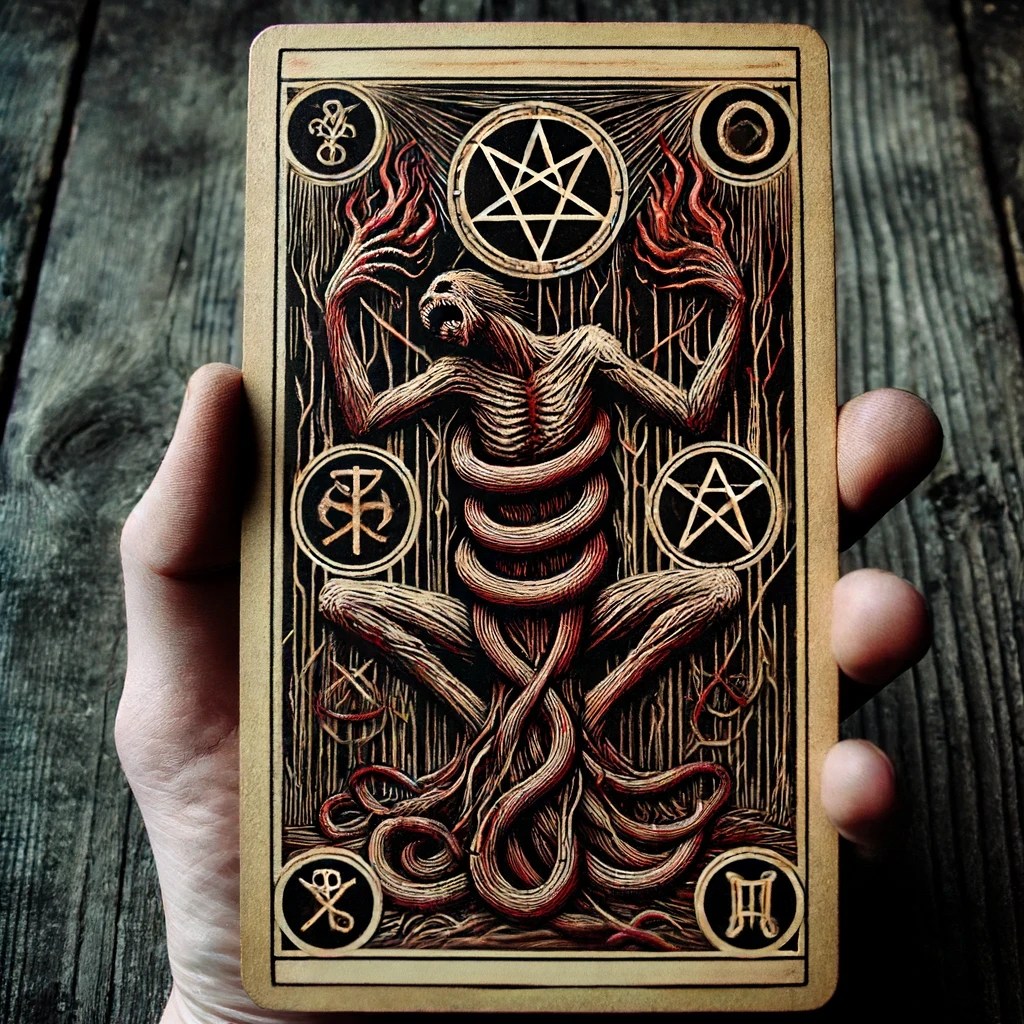
That’s a fantastic idea to ramp up the cult’s intimidation tactics against Abby and her team. Using ominous black envelopes containing strange tarot-like cards covered in arcane Celtic symbols and twisted imagery sets an appropriately creepy and foreboding tone.
Here’s one way those dark oblong cards could be described:
The nondescript black envelope felt heavy in Abby’s hands, the weight of unease already settling in her gut. She slid a letter opener under the sealed flap, the cracking noise loud in the tense silence.
Inside was a thick cardstock card, the color of dried blood. Embossed across the matte surface was a series of archaic symbols twisted into disturbing shapes. The markings seemed to coil and shift before Abby’s eyes in a dizzying fashion.
She recognized the stylized knotwork as Celtic in origin, but these glyphs felt fundamentally…wrong. As if an ancient language of earthly symbolism had been corrupted into something profane. The bearded ouroboros serpent eating itself took on monstrous proportions. The familiar triskelion spiral appeared to unhinge into a sickening vortex.
Abby’s breath caught as one particular sigil emerged – a twisted figure with arms splayed, eternal tongues of flame consuming its flesh. It resembled woodcut illustrations of mythical figures burned at the stake.
A thin cry pulled her attention across the room. Liz had opened an identical card and gone ashen. This was no mere threat from the cult – it was a harbinger. Another omen that their investigation had Awoken something from the shadows, something as ancient and indomitable as the symbols themselves.
Leaving the cards around crime scenes, areas of import or as “callings” before each new attack escalates the cultists’ mind games. Abby and her team would be forced to research and decipher the meanings behind the archaic symbology.
Each symbol could hint at the nature of the coming violence – a burning auguring an arson, a sacrificial lamb pointing to a ritualistic murder, etc. The cult relishes putting the pieces of this grisly puzzle together for the investigators to solve, all while sowing dread.
You could also include unique ceremonial language or Latin/Gaelic phrases written in blood to really up the ante. Having Abby’s team race to decode the obscurant clues before the promised tragedy strikes creates great urgency and suspense. Let me know if you need any other descriptions for these ominous symbolic cards!
Claude
Response to Prompt 2:
Incorporating AI-assisted genealogical research is a great way to make the investigation feel cutting-edge and add a modern twist. We can explore this primarily through the perspectives of Abby’s team members Liz and Tom, who have been utilizing large language models. Here are some ideas:
Liz is a tech-savvy genealogist who has been experimenting with using AI language models like Claude to assist with research and analysis. Her partner Tom is a data scientist skilled at fine-tuning and prompting the AIs effectively.
Together, they can employ the AI in several key ways during the investigation:
Records Research
Feeding the AI transcripts, documents, newspaper archives and other textual records to quickly identify relevant names, dates, locations and context clues
Having it generate analytical summaries and timelines to connect dispersed puzzle pieces
Using the AI’s language abilities to decode obscure genealogical terminology or foreign language records
Ancestral Lineage Mapping
Utilizing the AI’s knowledge graphing capabilities to map out complex family trees and lineages across generations
Identifying inconsistencies or missing branches that could reveal cover-ups
Running predictive relationship modeling to hypothesize unknown ancestral links
Pattern Recognition
Enabling the AI to scan for hidden symbolic patterns, codes or arcane references across multiple data sources
Identifying parallels in genealogical micro-histories that could connect to larger historical events/sources
Having it flag textual references to psychological afflictions, cults, family curses, etc. for deeper analysis
You could have scenes where Liz and Tom are excitedly showing Abby and the team different AI-generated insights that piece together new revelations. But also moments where they get frustratingly obtuse or tangential outputs, requiring human reasoning to refocus the AI.
There could also be a narrative exploring the ethics of using AI to unveil amateur ancestors’ private struggles like mental illness records. Or discussions about trusting the AI’s judgments versus human intuition on ambiguous genealogical evidence.
The AI system could even take on an assistant-like personality that Liz and Tom banter with, creating a dynamic of working in concert with this intelligent tool.
Let me know if you need any other specific ideas for working AI research capabilities into the genealogical investigation storylines! It’s a creative way to show how the latest tech could revolutionize genealogy.


One response to “ChatGPT 4 Omni Vs. Claude 3 Sonnet: A Comprehensive Rundown Of The Latest AI-Language Models”
[…] ChatGPT4 Omni vs. Clause 3 Sonnet: A Comprehensive Rundown of the Latest AI-Language Models by Coach Carole on Essential Genealogist […]
LikeLike