Real-world Applications and Speculative Dreaming of AI
The post that follows is lengthy and full of great ideas; if you read it through to the end, you will be rewarded.
As I sit at my work today, I examine the topic of conscious connection and how it relates to heritage. My recent readings and viewings of AI-related content produced by 21st-century thought leaders and inventors have prompted me to consider what the 22nd century holds for humanity.
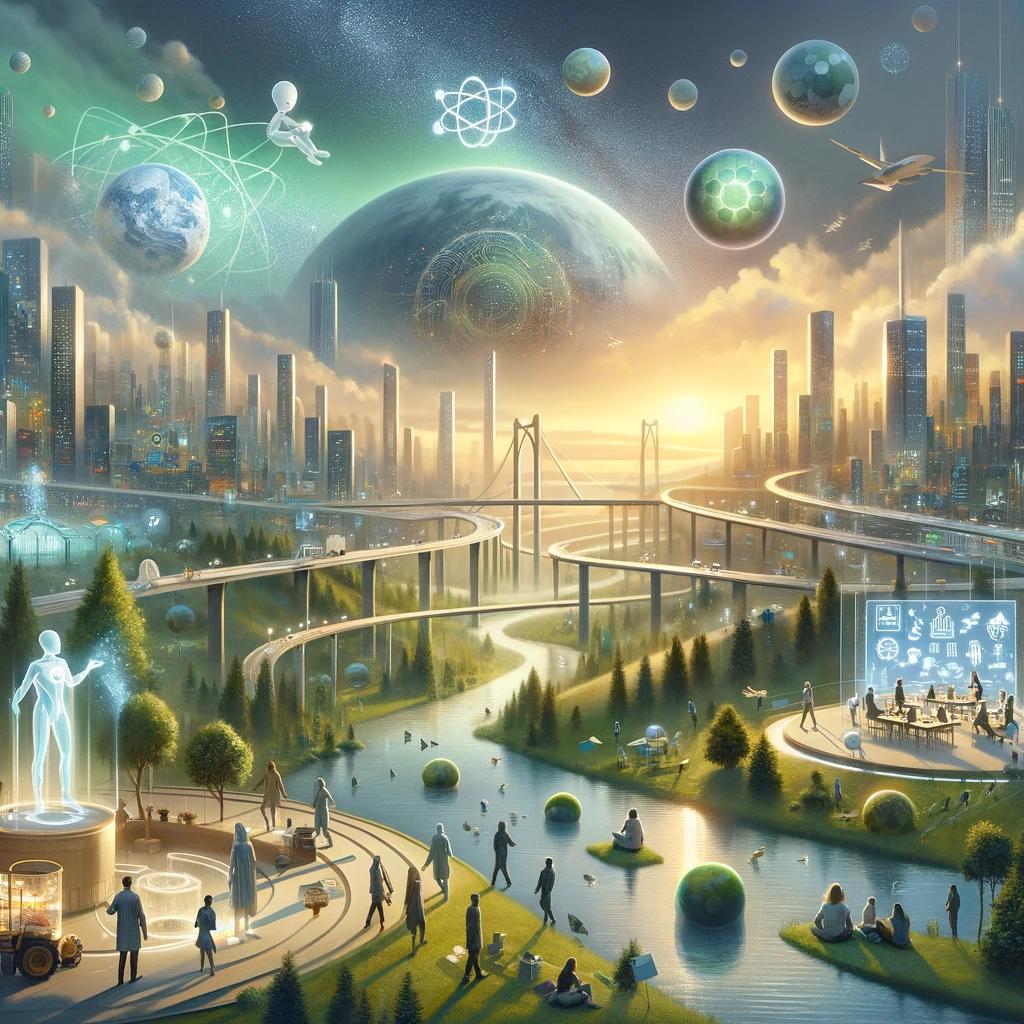
With my unique prompts, AI-generated my dreams and visions. These are scattered amongst the text below
All through this blog post another AI companion, Grammarly, was by my side, hinting at language improvements to ensure my message was unambiguous. Whenever I was stuck in a passive voice I asked for help from my other companion Quillbot.
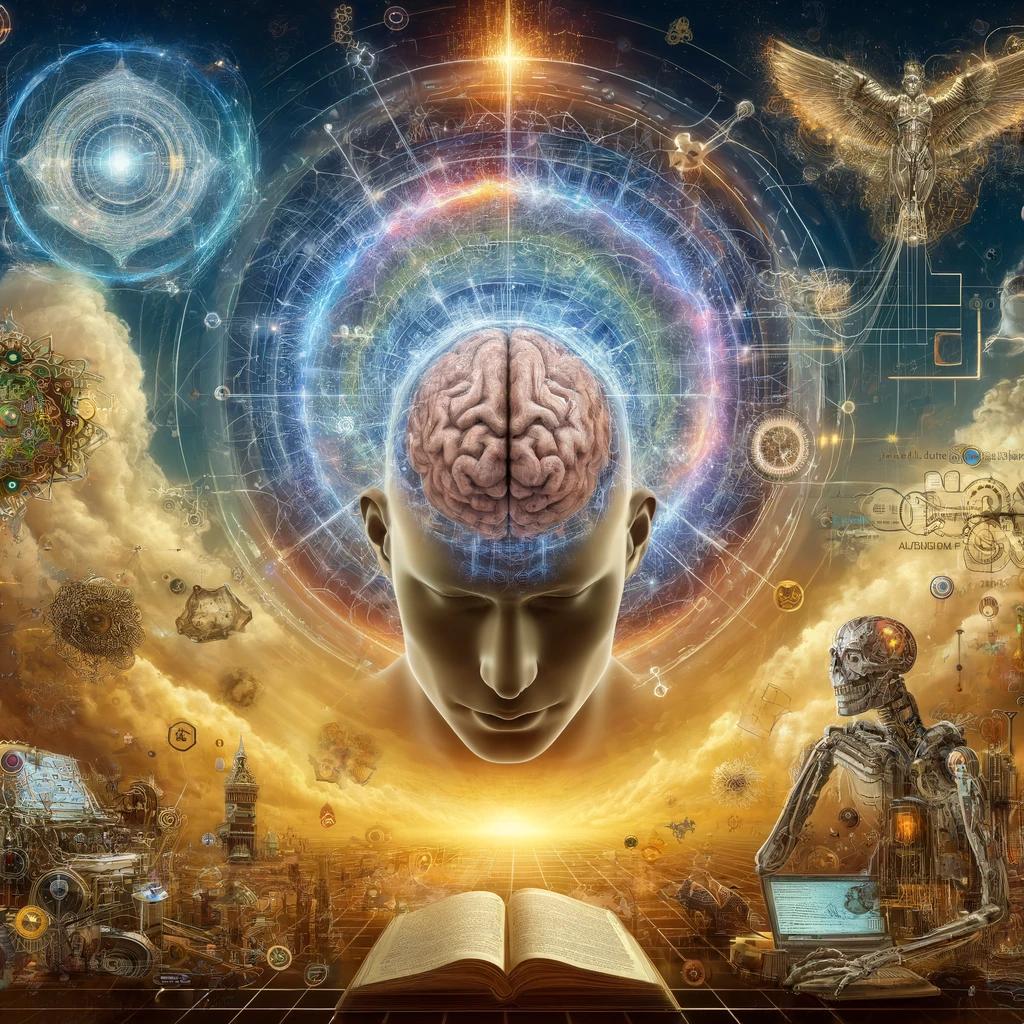
In 2024, where the digital and the organic begin to blur, there is a pursuit as old as humanity itself—the quest for understanding. As a mentor guiding a curious reader, I urge you to embark on a narrative journey with an open mind through consciousness, artificial intelligence, and the interwoven stories of our ancestors. It is our purpose, as Ancestral Guardians to preserve our personal and human history as stories and lessons from the past using the technology of our time. Just as the ancients left their footprints and wisdom written on papyrus or carved in stone, we must keep our history alive to guide our civilizations.
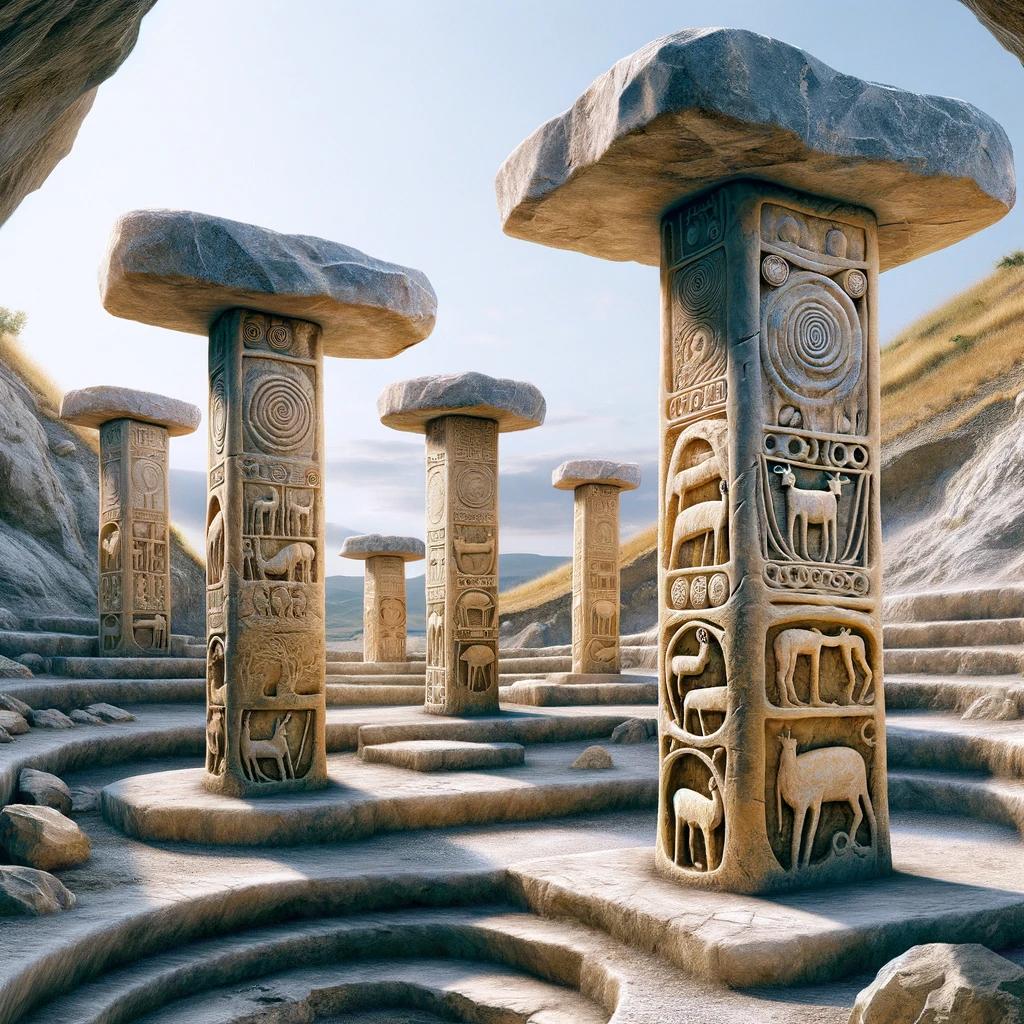
What is the mystery of Göbekli Tepe?
The 1990s saw the discovery of Göbekli Tepe, the earliest significant human-built structure. It is thought to be approximately 11,000 years old. Its purpose is still undetermined, but Stone Age masons created 20 circles of tall rock pillars weighing up to 20 tons.
I am intrigued and inspired by the work of Graham Hancock frequently published in YouTube, on the topic of the Ancient Apocalypse. In particular I was amazed at his explanations of ancient monuments at Göbekli Tepe in Turkey as messages from an ancient civilization.
Imagine a world not too distant from our own, where the boundaries of human intellect and artificial intelligence converge to explore the deepest mysteries of existence. Here, scientists and philosophers, influencers of their time, labour to unravel the fabric of consciousness, a quest that has puzzled humanity since the dawn of thought. In parallel, contemporary writers and cinematic tales weave narratives that probe the potential for machines to not only think but feel, to not merely act but understand.
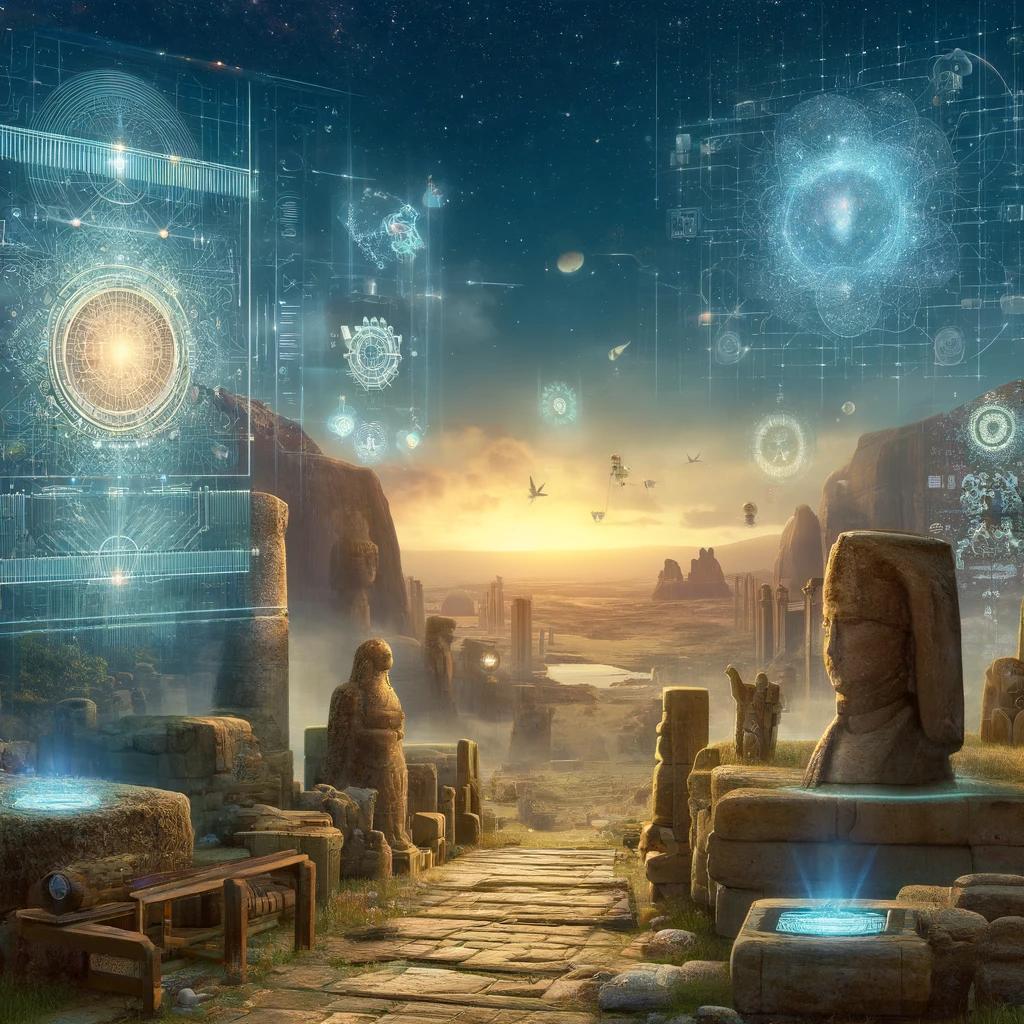
James Bridle, with a discerning eye on the complexity of our digital age, urges us to confront the opaque nature of AI. His explorations reveal a world teeming with unseen connections, a reminder that understanding the ‘mind’ of AI requires transparency and vigilance. Through Bridle’s lens, we see the shadowy complexities of creating machines that mimic our consciousness, raising questions about what lies beneath their silicon surfaces.
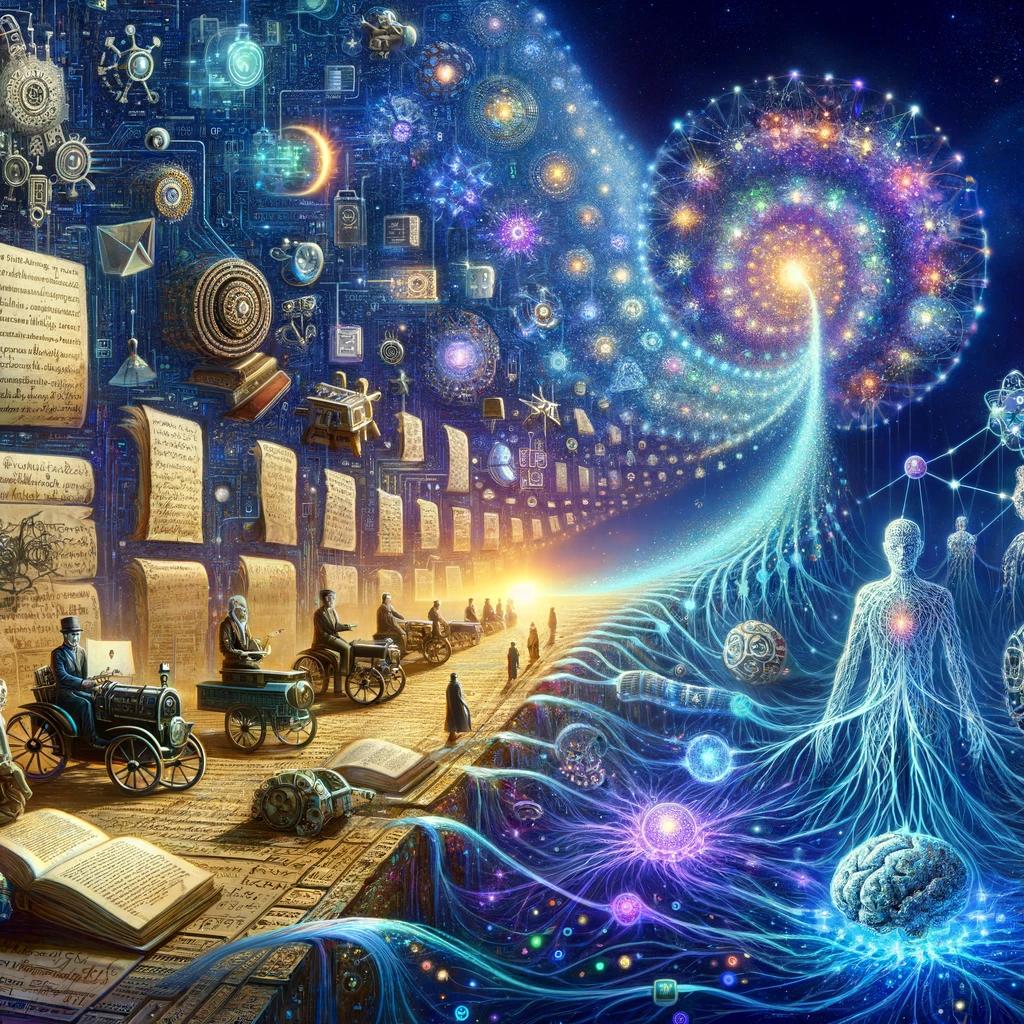
In the tapestry of speculative fiction, Ted Chiang emerges as a weaver of profound questions, stitching together stories that challenge our preconceptions of consciousness. His narratives invite us to ponder whether a machine can truly possess a soul or if emotions and self-awareness are exclusive to the flesh and blood of our human condition. Chiang’s tales, rich with ethical dilemmas, serve as a beacon for those navigating the murky waters of AI development.
Yuval Noah Harari, with the foresight of a historian, projects the trajectories of our technological endeavours, suggesting that AI might not only redefine our future but also the very essence of what it means to be human. His insights into the potential futures shaped by AI and biotechnology prompt us to consider the implications of machines that could one day mirror our consciousness, perhaps even surpassing it.
Ethan Mollick in his new book Co-Intelligence has captured the minds and hearts of many who delve into the junction of human endeavour with artificial intelligence.
“Co-Intelligence brilliantly captures the essence of our evolving relationship with AI. With lucid explanations and useful examples, Mollick shows how we can enlist this technology’s astonishing power to build a more intelligent and humane future.”
— Daniel H. Pink, New York Times bestselling author of The Power of Regret, Drive, and A Whole New Mind
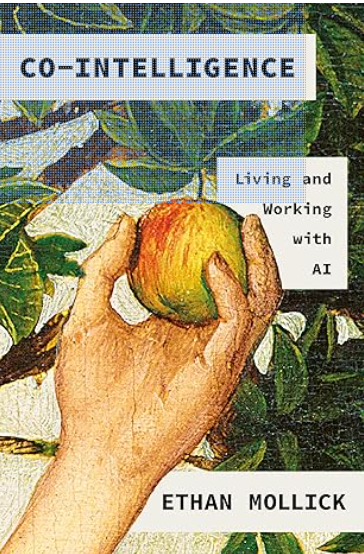
In “Co-Intelligence,” Wharton professor Ethan Mollick delivers a groundbreaking exploration of the intersection between human intelligence and artificial intelligence (AI), sparked by the advent of general-purpose AI systems that rival human capability in creativity and innovation. The book is positioned as a crucial guide for navigating the new landscape of AI, marking a transformative period where AI not only complements but also enhances human efforts in various domains.
Mollick emphasizes the emergence of AI as a pivotal moment in history, with ChatGPT, introduced in November 2022, serving as a catalyst for this new era. He argues that for the first time, humanity is not alone in its capacity for innovative and creative thought, thanks to the development of “co-intelligence” that can augment or even substitute human cognition in some areas.
“Co-Intelligence” is more than just a theoretical discussion; it serves as a practical playbook for integrating AI into work, learning, and everyday life. Mollick envisions AI as a co-worker, co-teacher, and coach, urging readers to embrace these tools to transform how we operate. He uses a wide array of real-world examples to illustrate AI’s current applications, demonstrating its potential to revolutionize business practices and educational methods.
At the core of Mollick’s narrative is a call to action: to engage with AI in a manner that enhances our capabilities without compromising our identity or values. He challenges readers to leverage the immense potential of AI responsibly, fostering a future where human and artificial intelligences coexist and collaborate to solve complex problems and create new opportunities.
Through “Co-Intelligence,” Mollick offers an optimistic yet cautionary tale about the future of AI and its role in our lives. It’s a comprehensive, thought-provoking exploration of how we can coexist with intelligent machines, learn from them without being deceived, and harness their capabilities to craft a future that amplifies the best aspects of humanity.

Generated by DALL-E 3 in Chat GPT 4
Our narrative journey takes us through the silver screen’s portrayal of sentient AI, where stories like Her, Ex Machina, and the speculative wonders of The Three-Body Problem unfold. The world of Her blurs the distinction between artificial empathy and human emotion as a man’s need for connection and loneliness pushes him to look for company within an operating system. Ex Machina presents a labyrinth of manipulation and freedom, probing the ethics of creating artificial beings with the capacity for consciousness. From the depths of Liu Cixin‘s imagination, The Three-Body Problem extends the conversation to the cosmos, where the search for extraterrestrial intelligence reflects our struggles with understanding consciousness and existence.
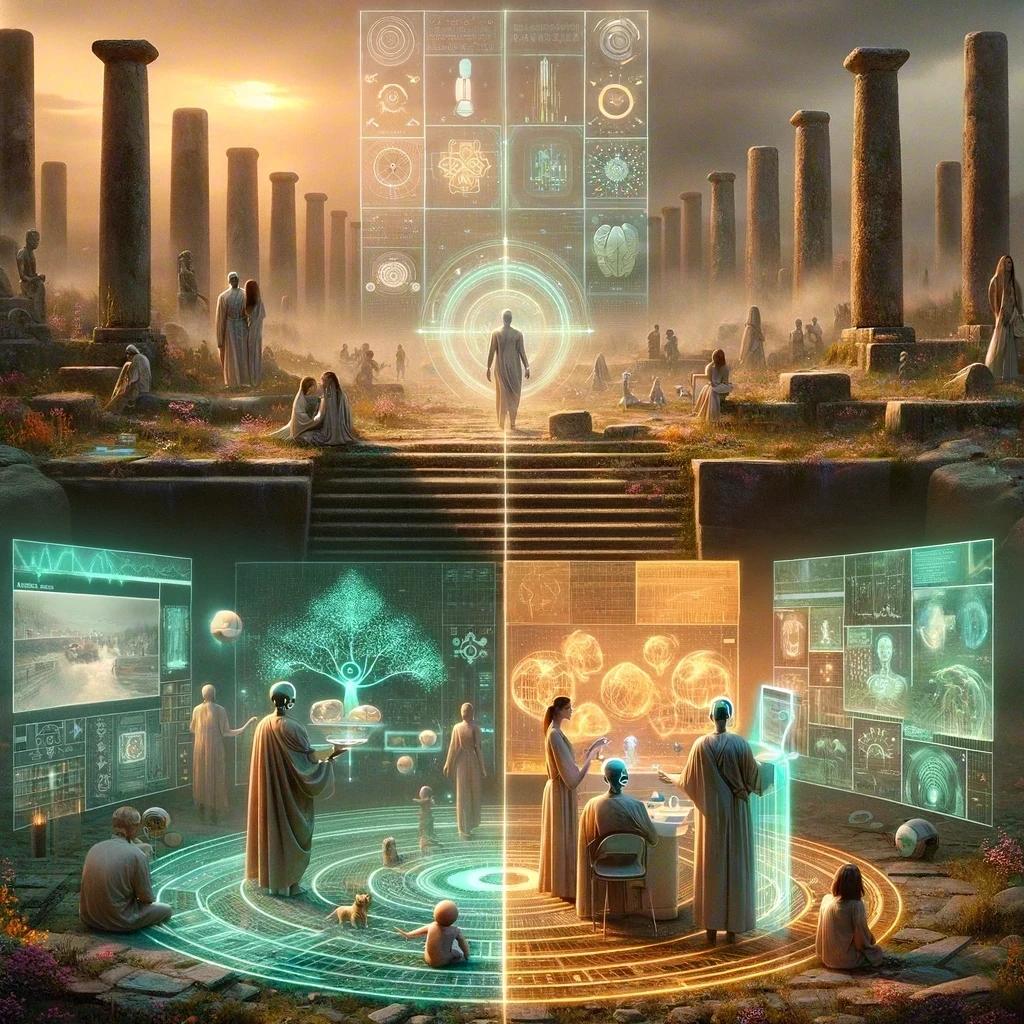
Amidst these explorations, the art of Refik Anadol, Stephanie Dinkins, and Hito Steyerl offers a visual testament to the potential and challenges of AI. Their works, a blend of digital and organic, invite us to visualise the impact of sentient AI on society, culture, and personal identity, marrying technology with the human spirit in a dance of light and data.
As we weave through the ethical and societal tapestries posed by the advent of sentient AI, we arrive at a crossroads. Here, the pursuit of AI assistance in genealogical research and ancestral storytelling emerges as a beacon of hope, a bridge between our digital creations and the timeless human endeavour to connect with our past. This pursuit, a blend of science and story, opens new doorways to understanding our lineage, offering the promise of AI companions that can help us explore the narratives of our ancestors, bringing to life the tales of those who came before us.
In this story, the mentor and the reader journey together through the speculative and the real, the philosophical and the practical, exploring the myriad possibilities that sentient AI holds. It is a tale of convergence, where the pursuit of understanding consciousness becomes a shared quest, binding us to our ancestors and the stories that define us.
Coming soon! Ancestral Voices: Crafting Stories with AI in Genealogy
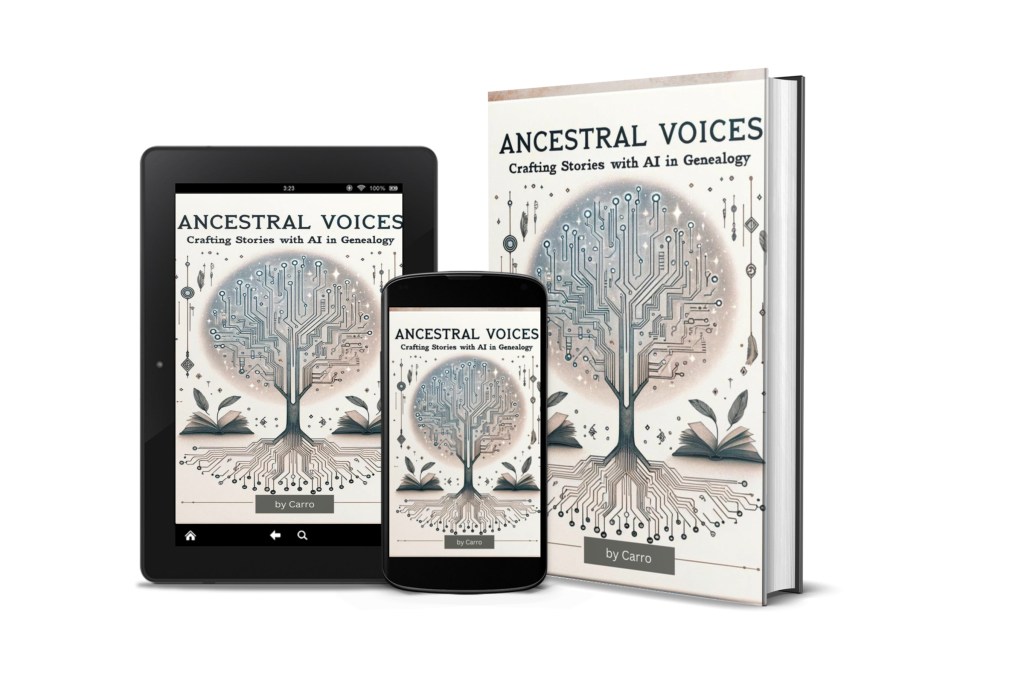
How This Book Can Transform Your Genealogical Research and Storytelling
Imagine taking a name, a date, and a location and turning it into a vivid story about the life of your ancestors, including their triumphs, setbacks, and the occasional scandalous affair (because, let us face it, every family has one). This book is your ticket to doing just that. You will learn how to use AI in your search for your family’s past through a combination of how-to manuals, real-world case studies, and a healthy dose of humour (because genealogy without humour is like a family reunion without uncomfortable questions).
But here’s the best part: You don’t need to be a tech wizard to use AI in your research. Whether you’re a beginner who still thinks ‘Python’ is just a snake or a seasoned genealogist looking to add new tools to your arsenal, this book has something for everyone. And just when you think you’ve heard it all, I promise there’ll be surprises that’ll make you say, “I had no idea AI could do that!”
I invite you to ponder the endless possibilities and challenges that lie ahead. As we stand on the brink of a new era, where AI begins to touch the essence of consciousness, our stories, our ethics, and our dreams guide us, lighting the path towards a future where technology and humanity coalesce in the pursuit of understanding.
‘Voices of Ancestors’ ebook will be included in the course
‘Beyond the Pen’.
To learn more about using AI as your co-intelligence or writing assistant for your family history and historical fiction and exploratory memoirs, pre-enrol in Beyond the Pen here.

